


MCH 2024 Students Visit Switzerland for Annual Study Trip
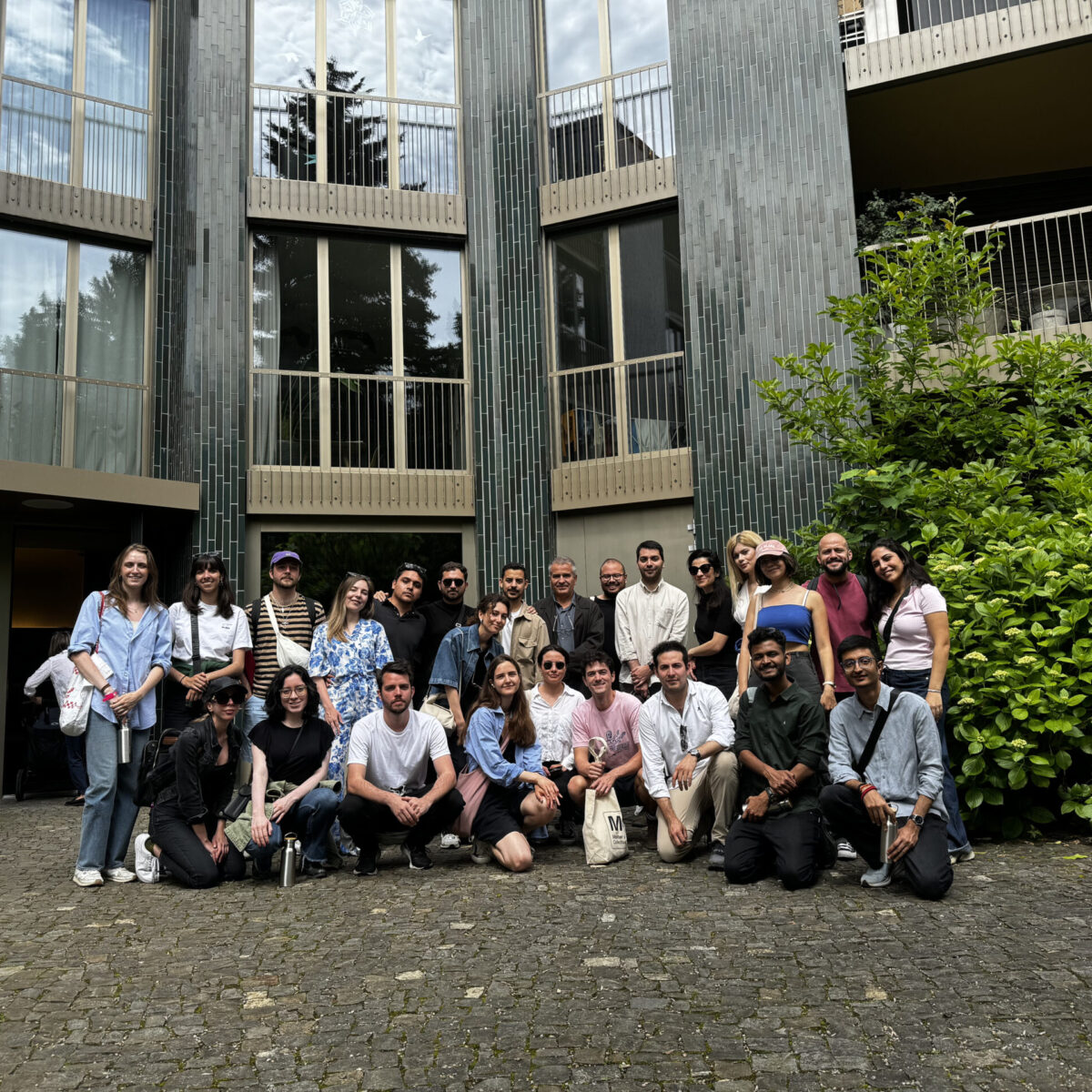
As part of the Master in Collective Housing (MCH) 2024 curriculum, students recently traveled to Zurich, Switzerland, for the program’s annual study trip. This week-long excursion provided an in-depth exploration of Zurich’s rich architectural landscape, allowing students to engage with some of the most innovative and renowned architectural firms and projects in Europe.
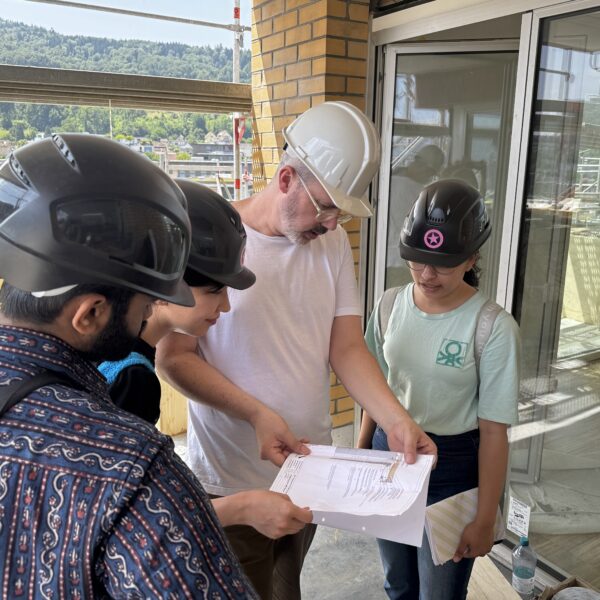
The study trip is a crucial component of the MCH program, offering students the opportunity to connect theoretical knowledge with real-world applications. The itinerary included visits to prestigious architecture firms, innovative building projects, and cutting-edge research facilities.
Key Highlights of the Trip
- ETH Zurich and the Robotic Architecture Lab
The students began their journey with a visit to ETH Zurich, one of the world’s top-ranked universities for architecture and technology. At ETH, they explored the Robotic Architecture Lab, where advanced robotics and digital fabrication techniques are applied to architecture. This experience offered students firsthand exposure to the future of design and construction, showcasing how robotics can transform the way buildings are conceived and built. - Kalkbreite Building
The group also toured the Kalkbreite Building, a pioneering mixed-use development known for its sustainability and urban living concepts. The building exemplifies innovative approaches to high-density living and mixed-use architecture, offering students insights into how residential, commercial, and public spaces can be integrated within a vibrant urban environment. - EMI Architecture Office
Another highlight of the trip was a visit to EMI Architecture, where students explored several of the firm’s completed projects. This provided an opportunity to learn about EMI’s approach to designing functional, sustainable, and aesthetically driven urban spaces. Meeting with the architects, students were able to discuss the firm’s design philosophy and the challenges of contemporary urban architecture.
Steib Gmür Geschwentner Kyburz Studio and Projects
The students also had the chance to visit Steib Gmür Geschwentner Kyburz, an architecture office known for its modernist approach to urban projects. In addition to touring their office, the group visited several of their buildings, gaining a deep understanding of their innovative use of materials and spatial organization. Discussions with the architects further enriched the students’ appreciation of how architecture can respond to social and environmental contexts. - Givon & Guyer Office and Project
A visit to the office of Givon & Guyer, as well as one of their celebrated buildings, provided a glimpse into the firm’s refined architectural style, which blends traditional craftsmanship with contemporary design. The students were able to explore the architectural nuances that define the firm’s work and how their projects contribute to Zurich’s architectural heritage. - Bolthauser Architecture Office and Experimental Adobe Project
Another fascinating stop was at Bolthauser Architecture, where students visited the firm’s office and a building constructed using experimental adobe techniques. This project highlighted Bolthauser’s commitment to sustainable construction methods, offering the group a unique perspective on how traditional materials like adobe can be reimagined for modern, eco-friendly architecture. The use of these natural materials sparked discussions on how ancient building techniques can be adapted to meet today’s environmental challenges. - Sacha Menz Architecture Office
Rounding out the trip was a visit to the office of Sacha Menz, a prominent architect with a strong focus on innovative urban design and sustainable development. Meeting with Menz and his team allowed students to gain insights into the conceptual and practical aspects of his architectural practice, further expanding their understanding of the role architecture plays in shaping future cities.
A Unique Learning Opportunity
This study trip to Zurich allowed MCH 2024 students to experience a variety of architectural styles, methods, and philosophies, from experimental material usage to advanced robotic technology in construction. Interacting with industry leaders and exploring their work offered students a broader understanding of the current challenges and innovations in urban housing and sustainable architecture.
For these future architects, the trip not only provided an opportunity to learn from top professionals but also allowed them to see firsthand how cutting-edge techniques and materials are shaping the future of architecture globally. The study trip is a key part of the MCH program’s commitment to preparing its students for leadership in the field of collective housing and urban design.
Author: Camilo Meneses. MCH Manager