


MCH Students Explore Madrid Neighborhoods in Sociological Field Trip for “Sociology, Economics, and Policies” Specialization
As part of the Master in Collective Housing (MCH) program’s specialization in “Sociology, Economics, and Policies”, MCH students embarked on a field trip through several key neighborhoods of Madrid to study their social dynamics, economic conditions, and urban policies. The trip aimed to provide students with firsthand experience in analyzing the social fabric of these areas and understanding the impact of architecture and urban planning on communities.
Key Stops and Highlights of the Trip:
- Tercio Terol
The first stop was in Tercio Terol, an area known for its mixed-use development and urban regeneration projects. Students observed how urban policies have shaped the neighborhood’s social landscape and how residents interact with their environment. - Caño Roto
At Caño Roto, the group delved into the history and evolution of this neighborhood, exploring its transformation from a marginalized area to one with improved infrastructure and housing conditions. Students were encouraged to analyze how these changes affected the community’s socioeconomic structure. - Meseta de Orcasitas
After passing through Plaza Elíptica, the third stop was at Meseta de Orcasitas, where students studied the social cohesion and community networks that have developed in this historically working-class neighborhood. The area is a prime example of how urban renewal efforts have shaped the neighborhood’s identity over time. - Orcasur
Traveling through Orcasur, the students observed the gradual urban transformation along Avenida Orcasur. This area provided an opportunity to examine the ongoing challenges of urban integration and the effects of housing policies on lower-income residents. - Entrevías
At Entrevías, the students made their fourth stop, focusing on the socioeconomic struggles of the neighborhood, which has faced challenges related to unemployment, education, and housing. This visit highlighted the complex interplay between urban design and social equity. - Madrid Sur
On their way to the next stop, students traveled through Madrid Sur, another area marked by economic diversity and various urban planning initiatives aimed at improving public spaces and community engagement. - Parque del Cerro del Tío Pío
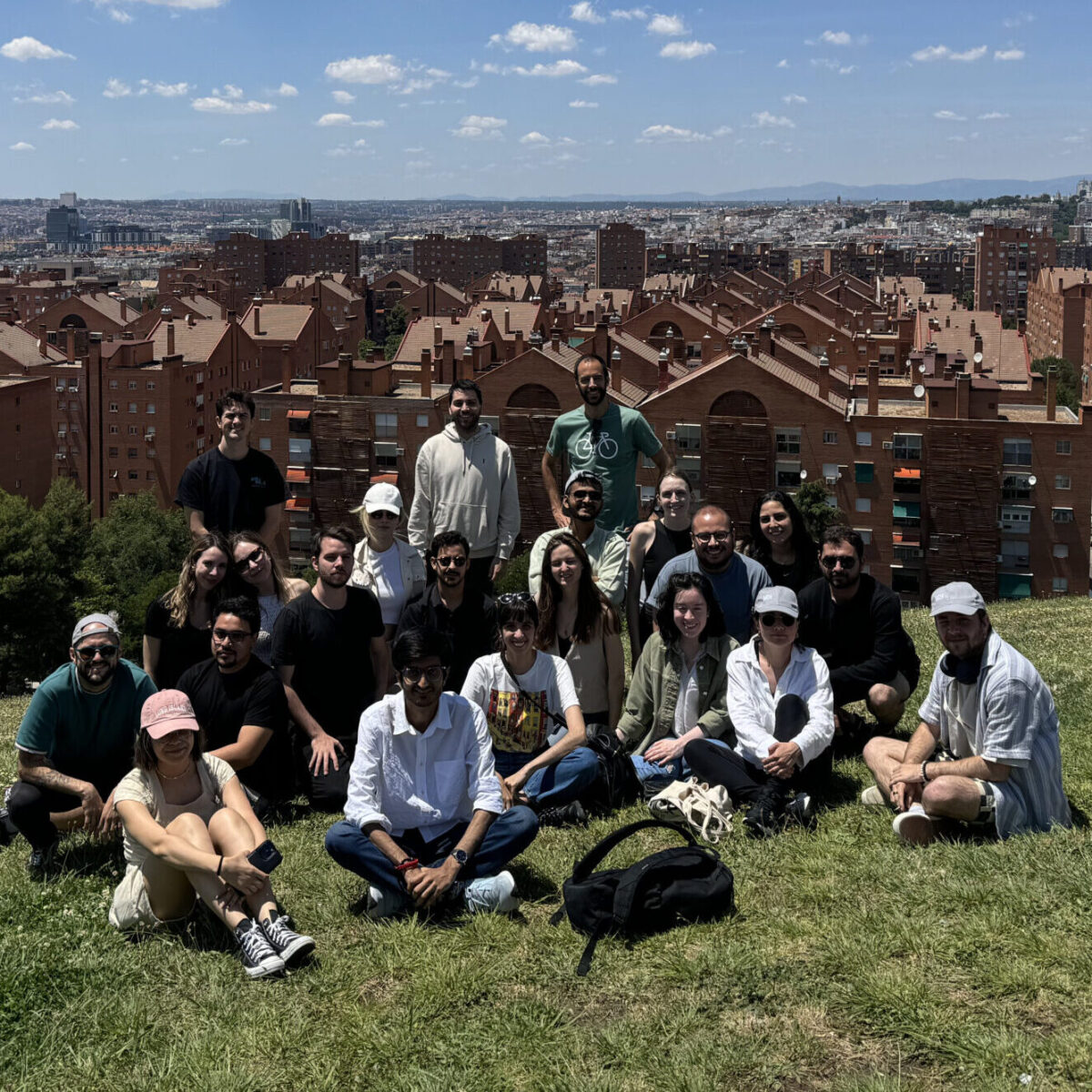
At the scenic Parque del Cerro del Tío Pío, known for its panoramic views of Madrid, students reflected on how public spaces can influence the social dynamics of a neighborhood and promote community interaction.
Learning Objectives
This sociological field trip offered MCH students a comprehensive understanding of how urban planning, social policies, and architecture intersect to shape the lives of residents in various neighborhoods. By visiting a range of areas with different socioeconomic conditions and histories, students gained valuable insights into the role of collective housing in promoting social cohesion and urban sustainability.
The trip is an essential component of the Sociology, Economics, and Policies specialization, helping future architects develop a deeper awareness of the societal impacts of their designs and the importance of creating inclusive, sustainable communities.
Author: Camilo Meneses. MCH Manager