


2025 Specialty – Low Resources and Emergency Housing / Elena Giral
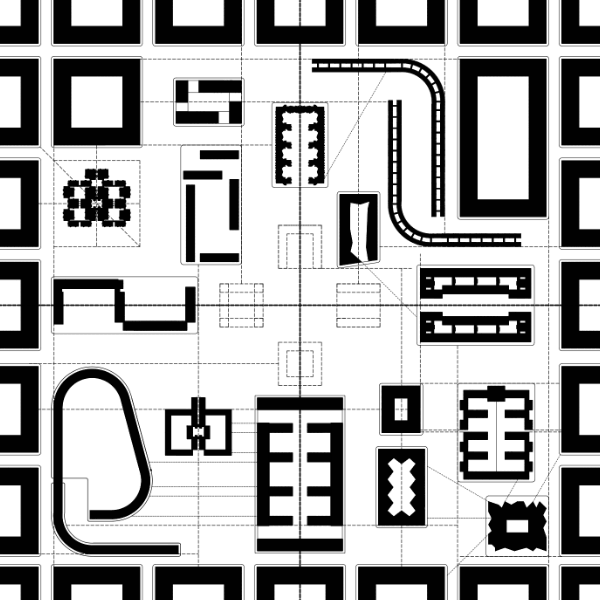
Cover by students Begino, Fatourou-Sipsi, Izquierdo, Nimmala
Specialty Leader – Elena Giral
The main objective of the seminar was to be thought-provoking and to encourage students to question their role as architects in the contemporary global context. It sought to go beyond regular architecture and urban practice by promoting a different perspective, one that provided a clear understanding of real-world conditions, away from overly theoretical frameworks.
The seminar covered a wide range of topics related to housing and crises from multiple perspectives, including informal settlements, displacement, emergencies, humanitarian contexts, illegal occupation, and homelessness. The lectures were based on real case studies and involved experts who had been actively engaged in these fields through emergency responses, design projects, or research. These sessions were complemented by discussions on transversal issues such as water and sanitation, gender, sustainability, and environmental aspects.
Several sessions were also devoted to introducing practical tools that students could apply in their future careers, such as mapping methodologies, community participation techniques, and Project Cycle Management tools, as well as to presenting the main actors involved in international emergency and crisis responses. Each day included a practical session involving teamwork and discussions, which served as building blocks toward the final assignment.

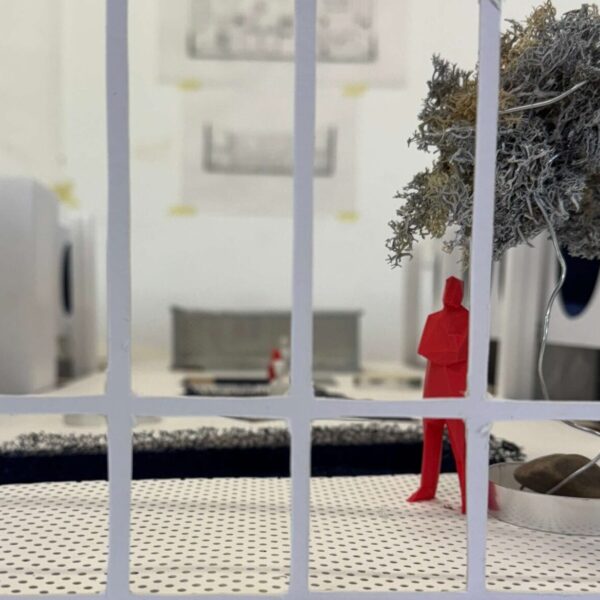
Image by students Candano, Jamdar, Kaloudis, Gutierrez
Additionally, two practical activities were carried out to help students understand the technical dimension of emergency housing. The first involved the assembly of emergency shelter modules developed by Better Shelter, a Swedish non-profit foundation that designs and provides temporary housing for displaced people. The second consisted of a visit to the Spanish Military Emergency Unit (UME), where participants were shown their facilities and the operations they conduct during emergency situations.
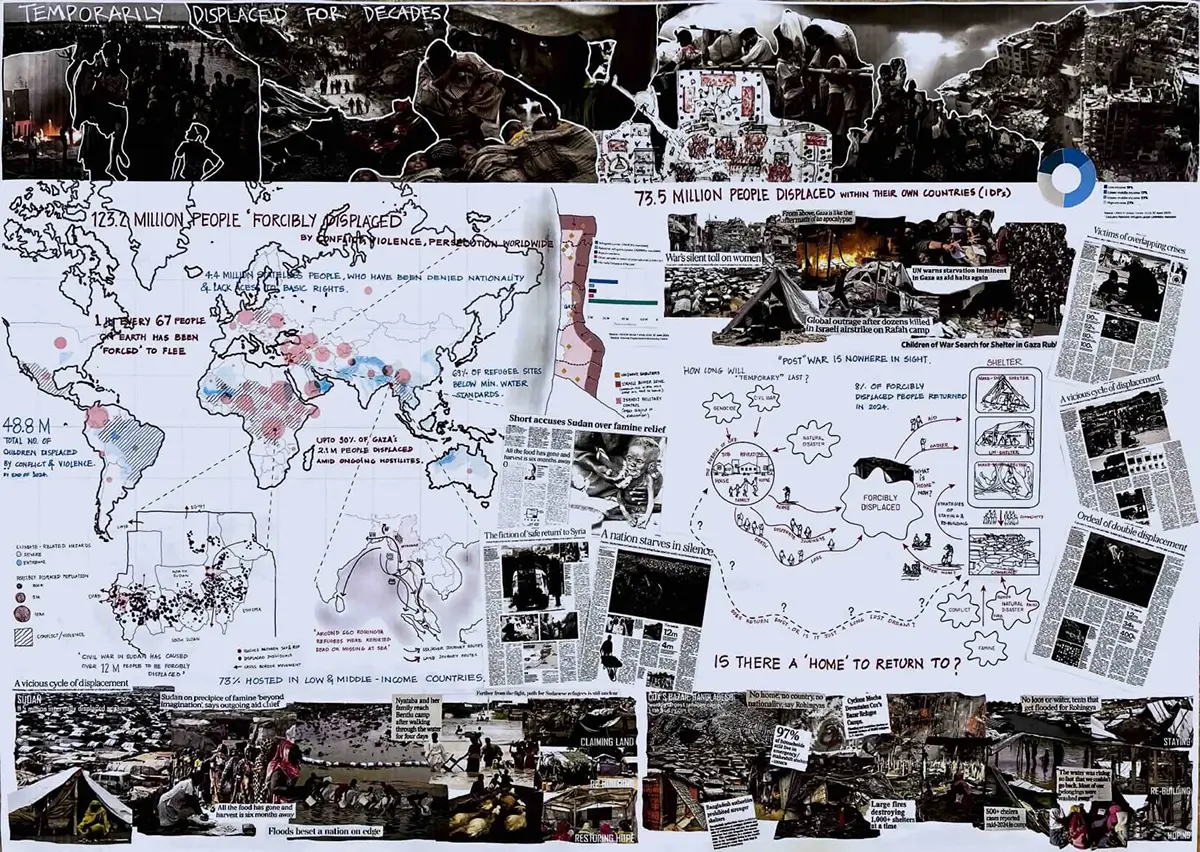
The final exercise consisted of analyzing and mapping a specific humanitarian or development crisis through the lens of urban and housing dynamics. Participants explored a chosen context from territorial, urban, and architectural perspectives, while considering the sociological dimensions of the crisis and the living conditions of both affected and host communities. They examined how urbanization, housing policies, and infrastructure had influenced the severity, response, and recovery efforts in the crises, or, conversely, how crises had shaped the built environment in contexts of emergency, war, or displacement.


