


2024 Workshop – Residentialization of modernist containers for the biodiverse city / Juan Herreros
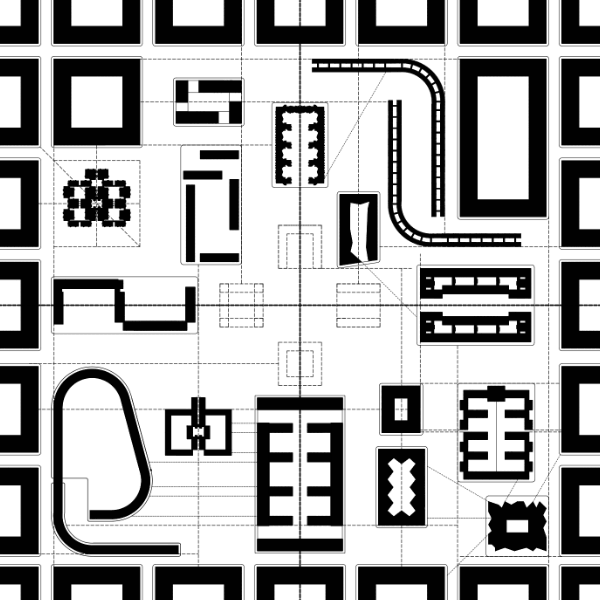
Cover image by students Akins, Martinez, Sahin and Ucha
Workshop Leader: Juan Herreros
Workshop Assistant: Pedro Pitarch
Date: 06th to 10Th of May.
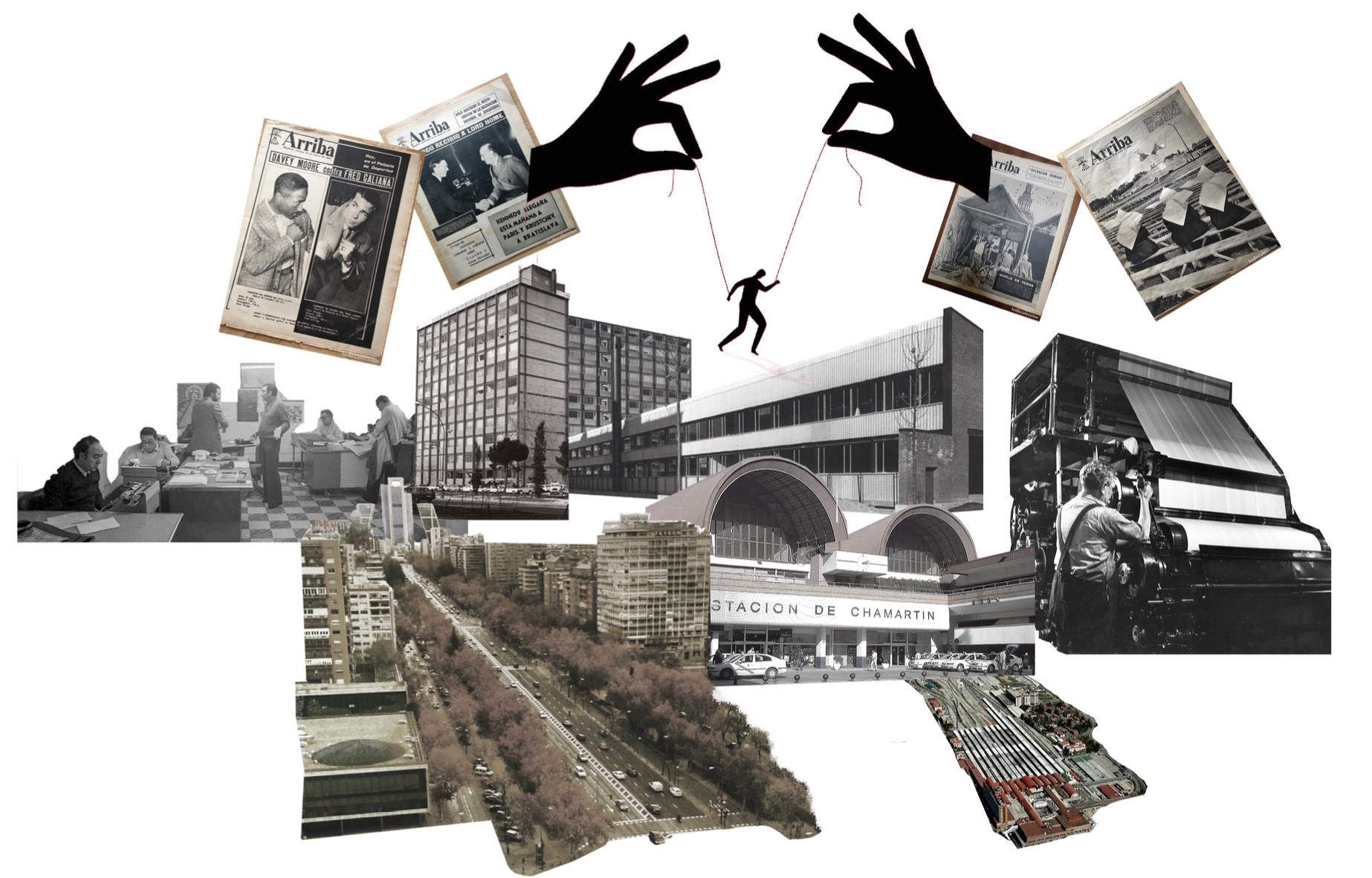
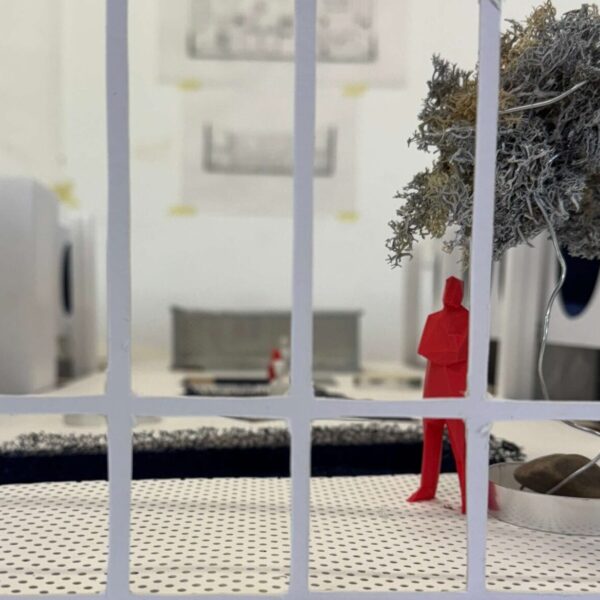
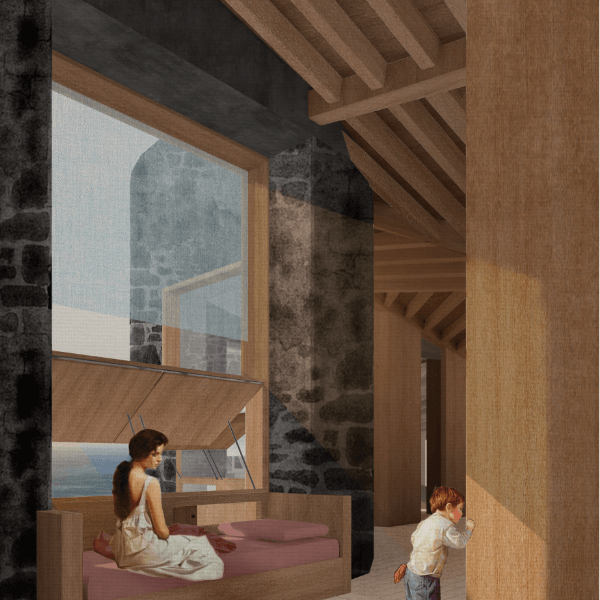
Image by students Denisova, Madrigal, Mandi and Patel
In the confusing context of our cities, submerged in an irremediable crisis of models and bombarded by figures that go beyond our experience and that of traditional tools, detecting areas of opportunity is the task of the most attentive architects. Spaces for which we have no name, buildings that can no longer be described by their initial programs, urban fabrics that have evolved in an unpredictable way, large structures that have fallen out of use… establish an unusual generation of situations that invite us to reformulate concepts. such as “recycle”, “preserve” or “renovate”. If common sense calls for recycling and/or taking advantage of these structures, it is also important to understand how much interest these places charge in offering options for results that are not so obvious as a reflection of the expanded spectrum of possibilities they provide, especially in the field of project research.
We are interested in infrastructures that in the need to be re-visited with the only option of updating their original programs in view of new technologies or efficiency criteria, forgetting that housing is the great motor of the construction of our cities and that this is only conceived as possible after a recycling process for cases of politically correct reoccupation of historic centers or certain structures of restrained sophistication. However, in the landscape of the contemporary city, these remains of post-capitalist society constitute a field of thought and action with vast and suggestive possibilities that have hardly been explored. If we think of those large infrastructural buildings that during the 20th century populated both the centers and the peripheries of European cities and we reflect on the impact that the changes in lifestyles induced by the recent environmental crisis, remote working, and the insistence on reducing the movements of workers in pursuit of the famous city of 15 minutes, the theme of work is served. If we also reflect on the alteration of the modes of co-existence, the cultures of caring, the increase of biodiversity, the architectural potential of nature and the cohabitation of human and non-human bodies, we will recognize a very interesting demand that calls for a residential urban frame in coexistence with the biodiverse city.

Floor plan by students Akins, Martinez, Sahin and Ucha
The main object of the course are the PROJECT TECHNIQUES, their methodologies, and resources. The necessary regulation our operating systems pushes us to look in collective housing for an experimental assumption on how it is possible, from the project, to propose the revision of certain paradigms established by practice, regulations, economic limitations, and prejudices about the concepts involved. For this, the research will take as “realistic” starting data the apparently utopian and radically propositional conceptions that can be understood as highly novel viable proposals. It is about proposing something new but produced with the naturalness that accompanies the ideas necessary for their opportunism.
The working model is a laboratory understanding as an environment as rigorous as it is experimental with a strong collective character. For this, an imaginative and essayistic attitude will be called for with respect to the raw materials of the project and the data that inform it, but strongly supported by a protocol that allows the codification of the results and their offer as support for future elaborations. In this sense, a “scientific” work is expected in what has the word allusion to “useful for others”.
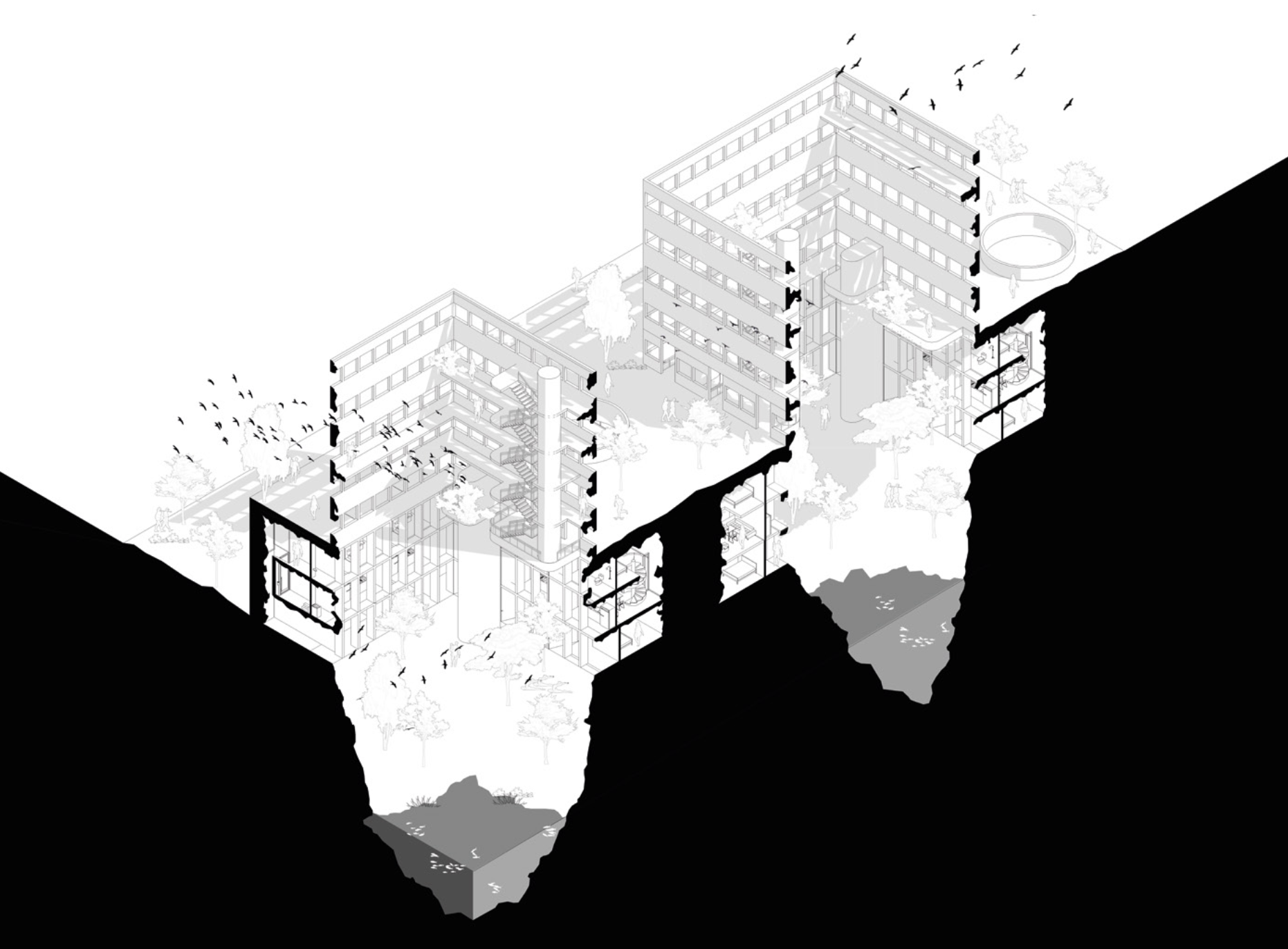
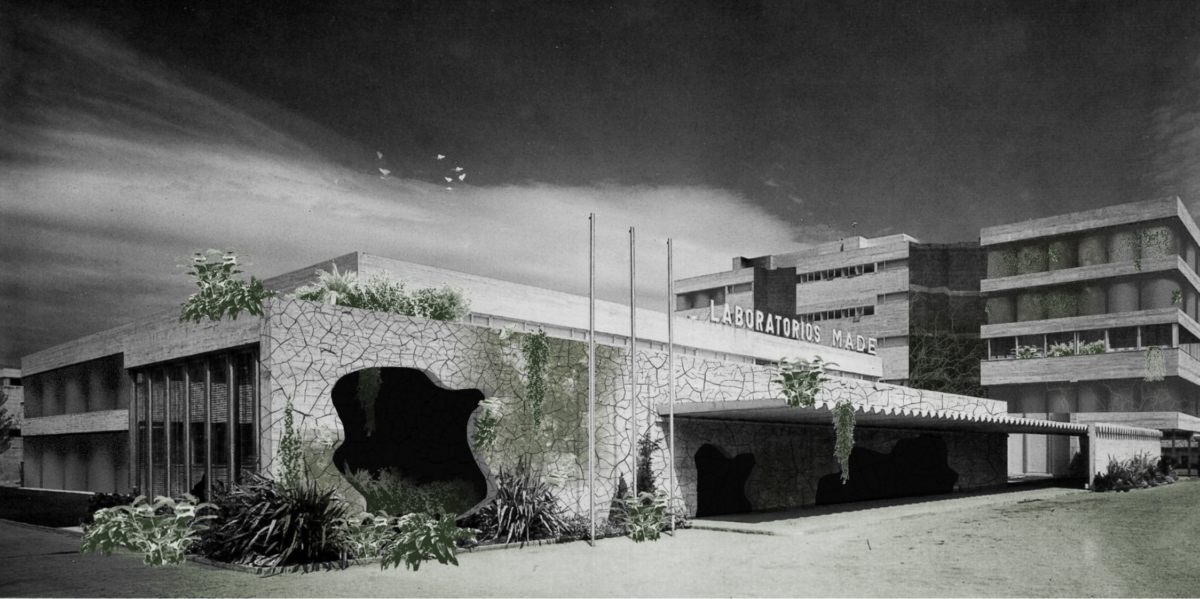
Image by students Abbassi, Cruz, Maldonado and Nikolskaia
About Juan Herreros.
About Pedro Pitarch.