


2024 Specialty – Housing Practice / Fernando Altozano
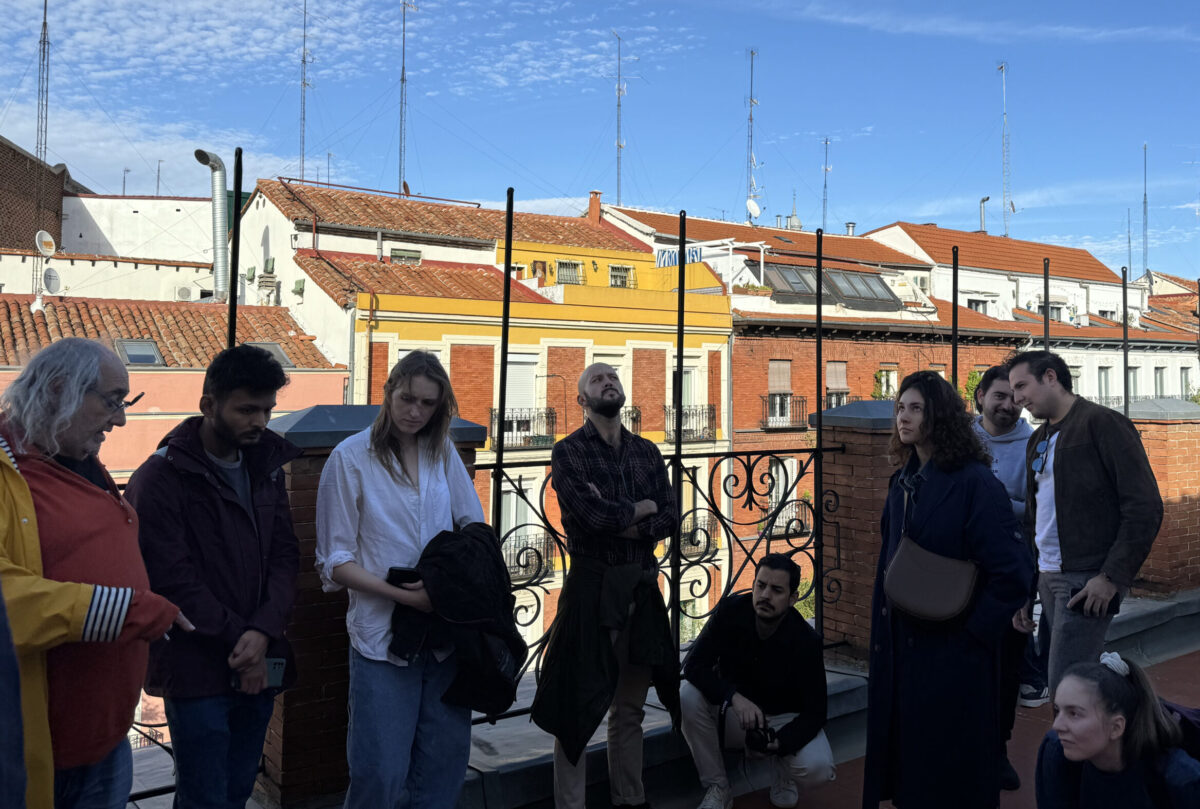
Cover image of Corralas visit with Rafael Hernando
Specialty Leader: Fernando Altozano
The course Housing Practice aimed to synthesize the knowledge acquired through research and design practice, with the goal of creating a collaborative document that gathered a wide range of insights on collective housing.
At the end of the course, the class compiled a book or publication that addresses relevant topics in urban housing design. Each student worked on an individual topic related to housing, contributing to the collective effort of the group and supporting each other in the process. To achieve this, students worked under a research model focused on case studies centered on morphometry, considering the relationship between form, metrics, and design; this was the cornerstone of the course. The students explored how internal and external factors influenced the form and function of housing in high-density urban environments.
The course was divided into three parts: the first focused on adapting existing systems to new conditions, the second on creating a database of at least 110 cases of collective housing, and the third on developing individual chapters for the common book.
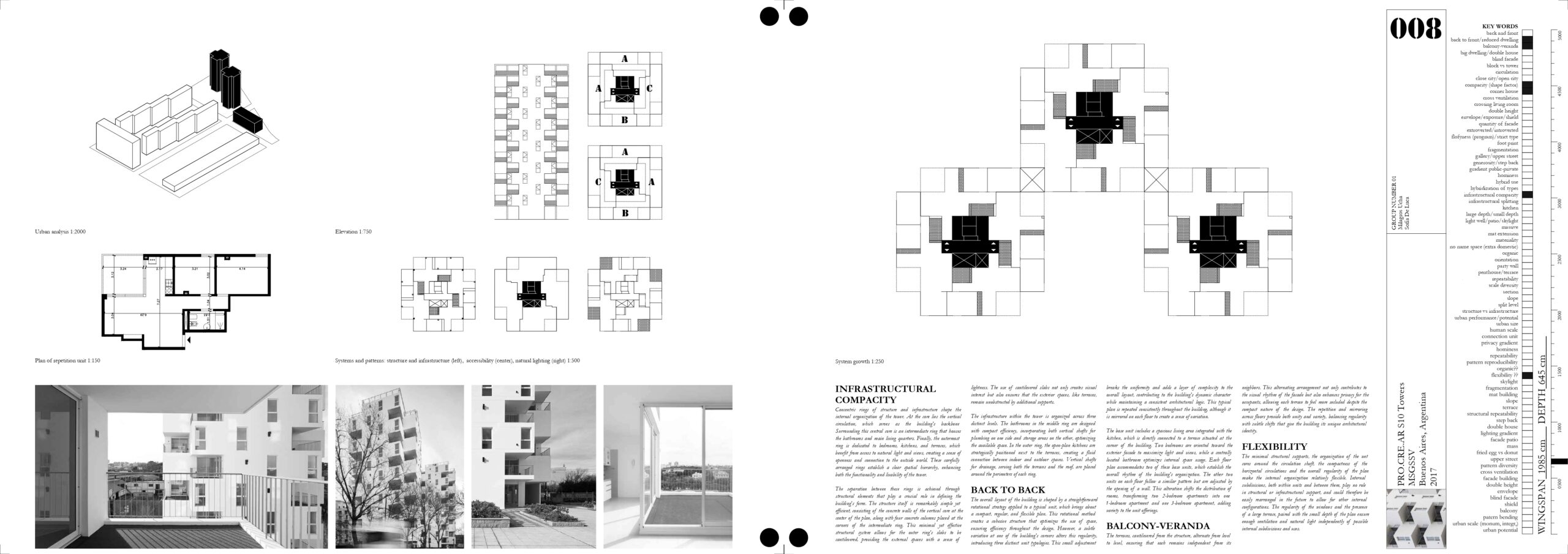
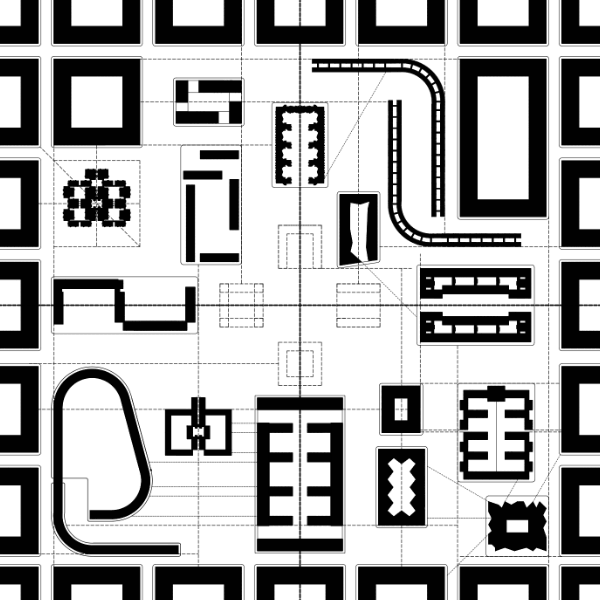
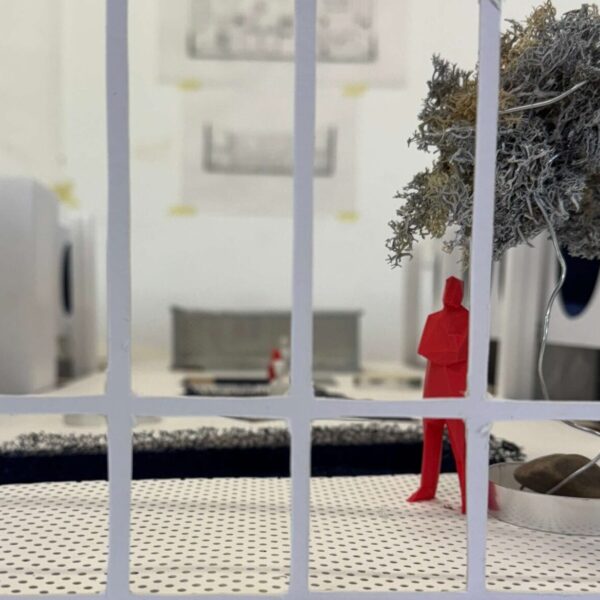
Final submission by students Ucha and De Luca
To enrich the learning experience, visits to housing practice studios were organized, providing students with practical insights into contemporary design. This approach not only aimed to foster innovation in housing design but also to review the successes and failures of the last 100 years of experimentation in the field. Students were guided in developing their individual studies, which were required to include a clear methodological framework, analysis of results, and final conclusions, all based on collaborative work that facilitated the exchange of ideas and knowledge.
This course represented a unique opportunity for future architects and designers to contribute to the evolution of collective housing design, an area that faces significant challenges in today’s urban context.
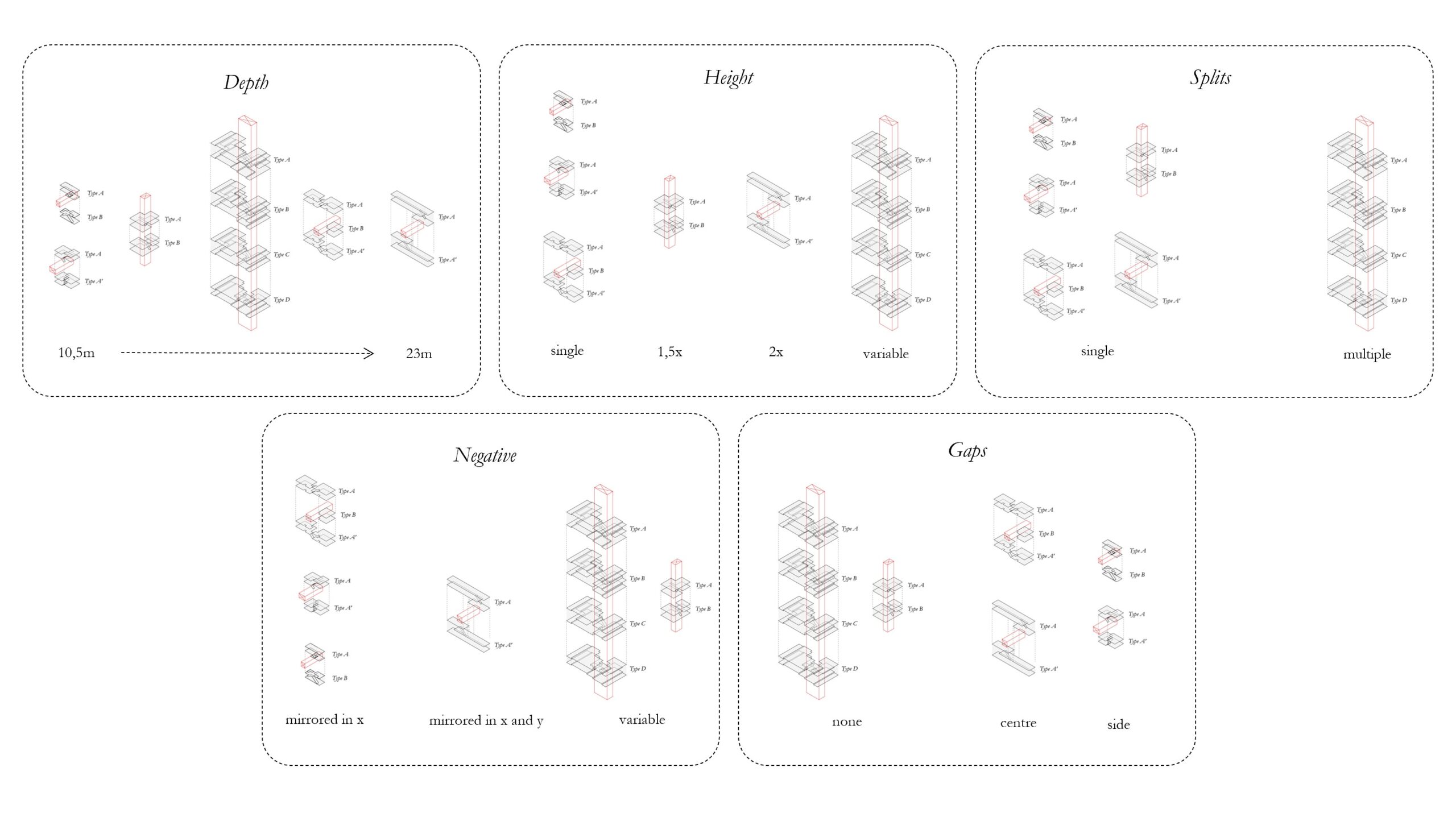
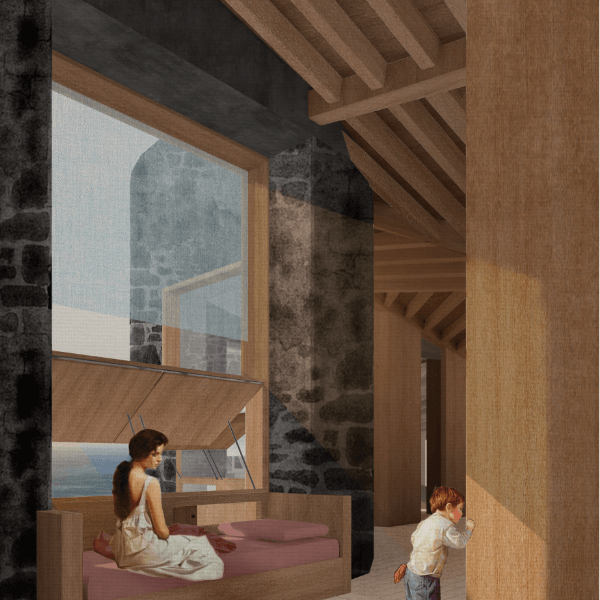
Final submission by student Milagros Ucha