2024 Specialty – Low Resources and Emergency Housing / Elena Giral
Specialty Leader – Elena Giral
The speciality has a strong analytical and practical component, where students are encouraged to discuss, reassess and question throughout the whole module, including until/during the final assignment presentation. Students are expected to work incrementally, every day, on their assignment, incorporating all the lessons learnt from the different classes and practical sessions.
The aim of the exercise is not to create a ‘’perfect’’ answer to the proposed challenges, as there is no such thing, but to encourage the students to think differently and ask themselves questions, while using their skills as architects. Therefore, the assignment is not be graded based on the actual graphic proposal but on the way it has been conceived, and the reflections and analysis of the student. The aim of this seminar is not to become an ‘’express expert’’ on any of the topics covered and neither to create ‘’yet another territorial planning layout or essential home design’’. The focus is on providing the participants with new perspectives and tools that can be applied in emergency scenarios as well as in their future architectural practice.
SCENARIOS
Internal displacement – violence in Colombia
Venezuelan refugees – economic, political crisis
Multi-sectoral crisis in Haiti – violence-poverty-disasters
Refugees in Uganda from neighbouring countries (DRC, SD, SSD..)
Long-term refugee camps – Kenya / Dadaab
Overlapping long and new displacement – Kalma camp in south Darfur
The largest refugee camp in the world – Kutupalong in Bangladesh
Urban/rural displacement in Europe – the war in Ukraine.
Rapid accommodation for 3 Million people. The earthquake in Turkiye
Recurrent disasters and climate adaptation – Indonesia Earthquake + Tsunami
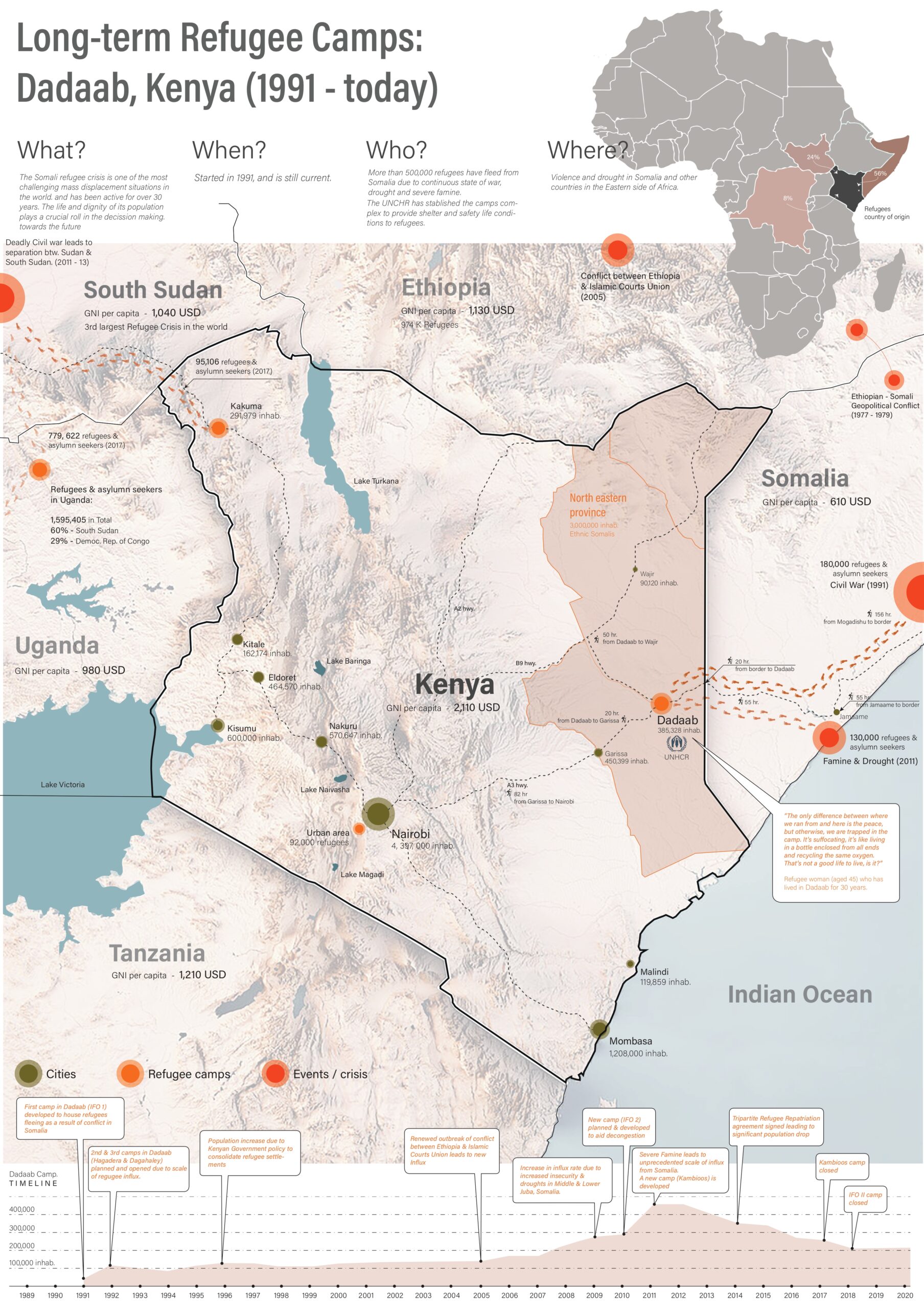
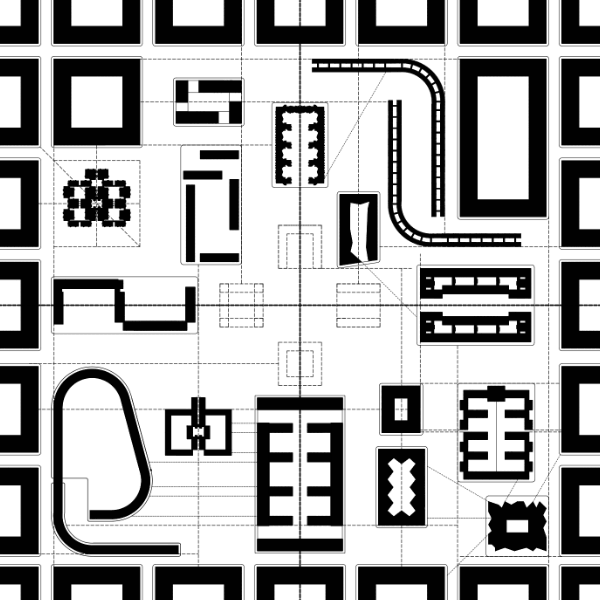
Panel by students Gaxiola, Mandi, Sahin
OBJECTIVE
The objective of this exercise is to analyse and map a specific humanitarian or development crisis through the lens of urban and housing/shelter dynamics. Participants will explore how urbanization, housing policies, and infrastructure impact the severity, response, and recovery efforts related to the crisis, or, vice versa, how crises are shaping the built environment, both in emergency, war, or displacement contexts. The exercise aims to enhance understanding of the role that urban planning and housing conditions play in exacerbating or mitigating the effects of such crises, and what can be learnt from these complex situations and incorporated into regular planning practice.
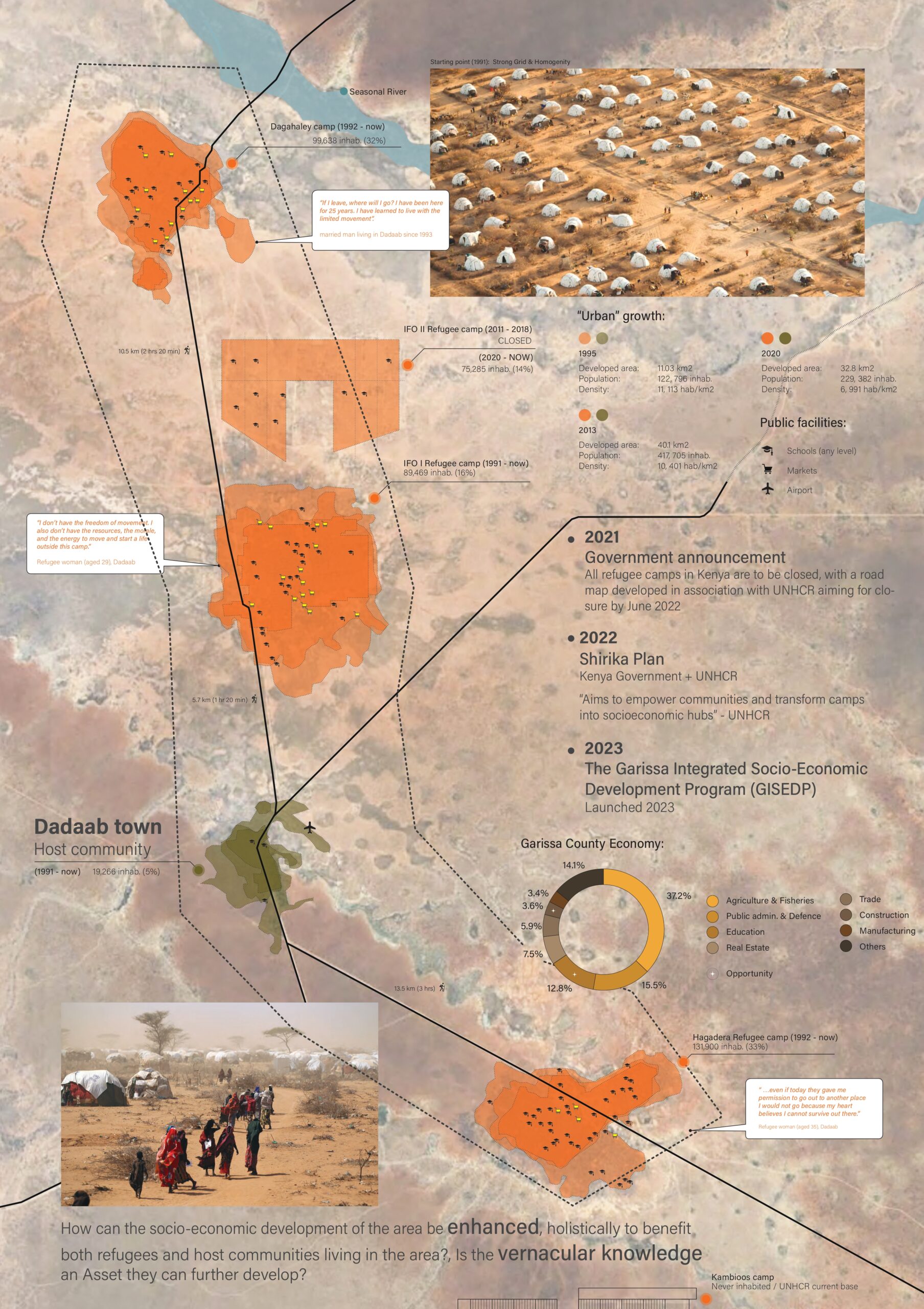
Panel by students Gaxiola, Mandi, Sahin
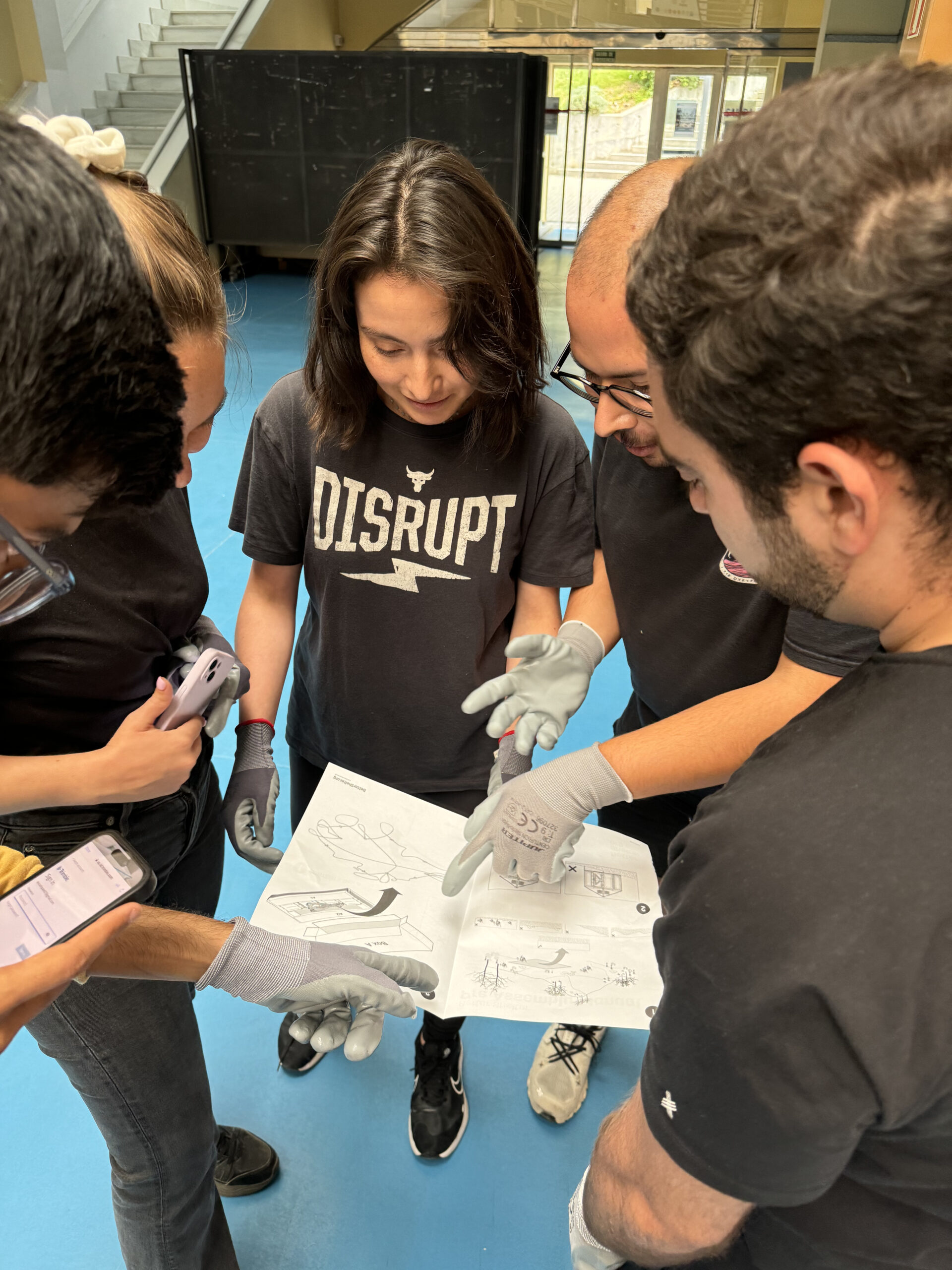
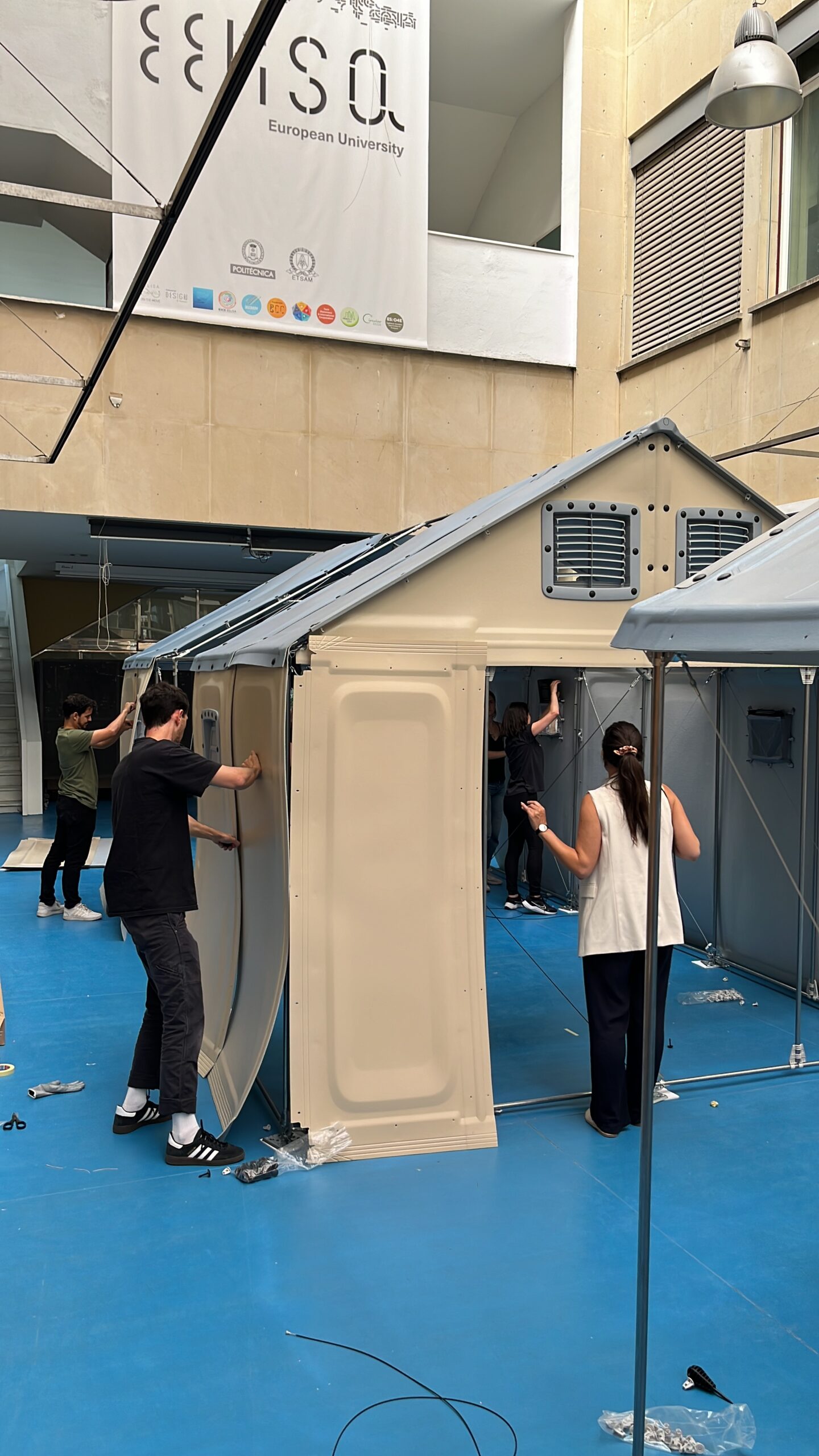
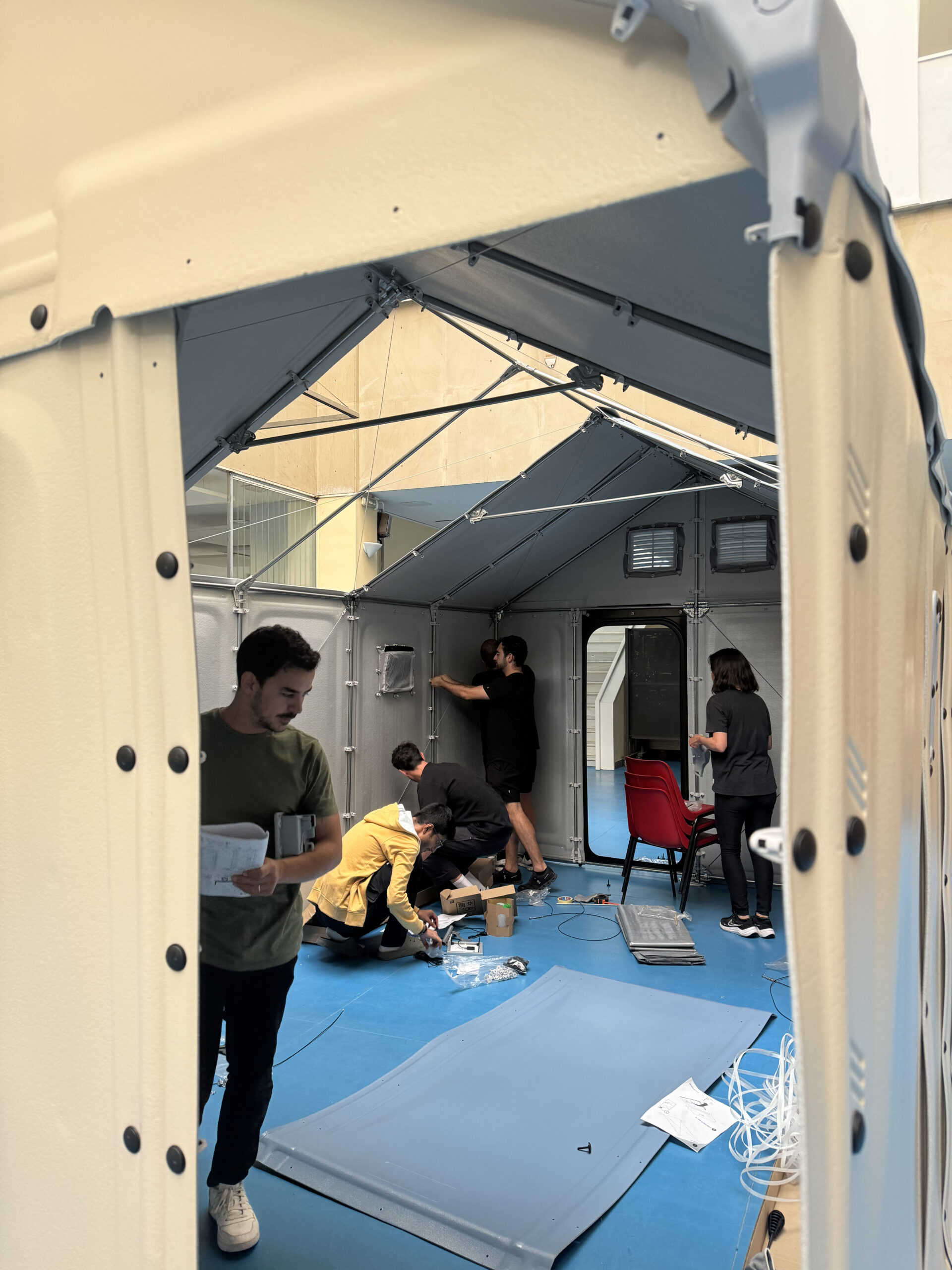
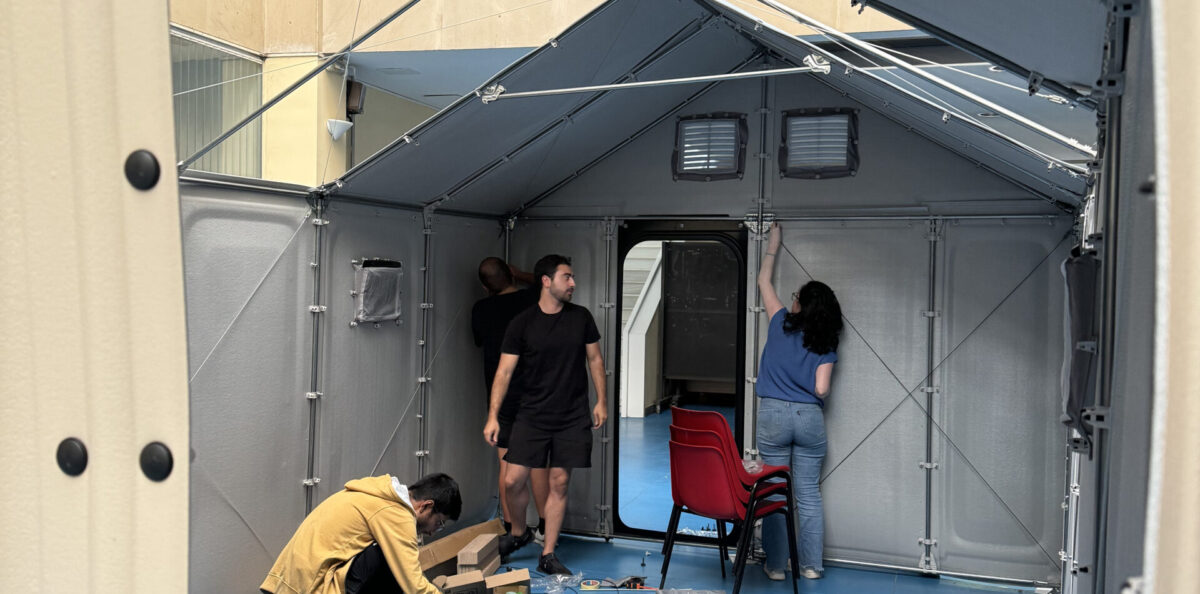
As a complementary part of the exercise, students will assemble emergency housing modules designed by the NGO Better Shelter. These will serve as a guide to understand the spatial conditions that need to be addressed.