




2024 Class – Complex Project Implementation / Susana Isabel + Julia Landaburu
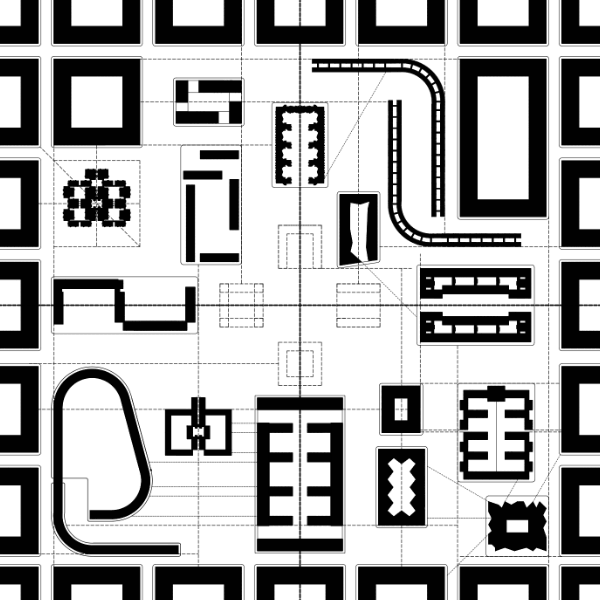
Cover by students Abbassi, Patel, Real, Voruz
Beyond Design – Management and implementation of complex projects
Susana Isabel + Julia Landaburu
As part of the MCH program’s new curriculum, a groundbreaking course tackled one of the most pressing challenges in urban development: the management and implementation of large-scale, complex projects. This innovative program moved beyond traditional design principles to explore the critical steps required to transform ambitious urban concepts into reality.
The course focused on the intricacies of implementing large-scale projects, delving into essential aspects such as territorial, social, technical, and real estate development. Participants gained valuable insights into managing diverse stakeholder interests while learning through hands-on case studies and scenario-based exercises.
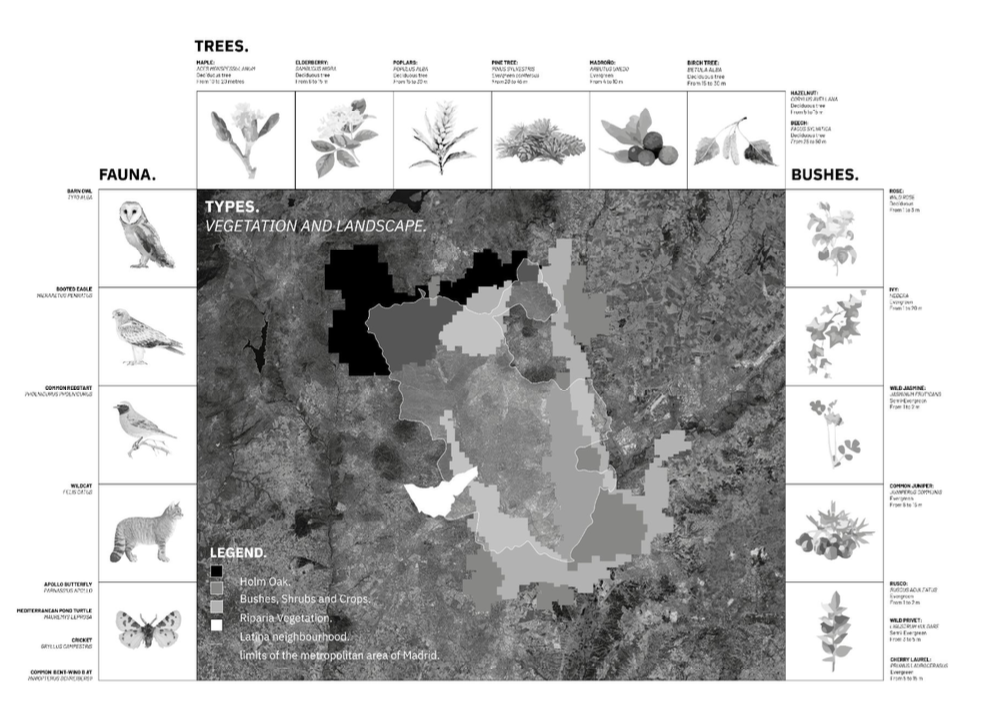
Biodiversity by Students Ferré, De Luca, Maldonado, Mandi, Ucha
Key Areas of Focus
The program highlighted several crucial aspects of large-scale project implementation:
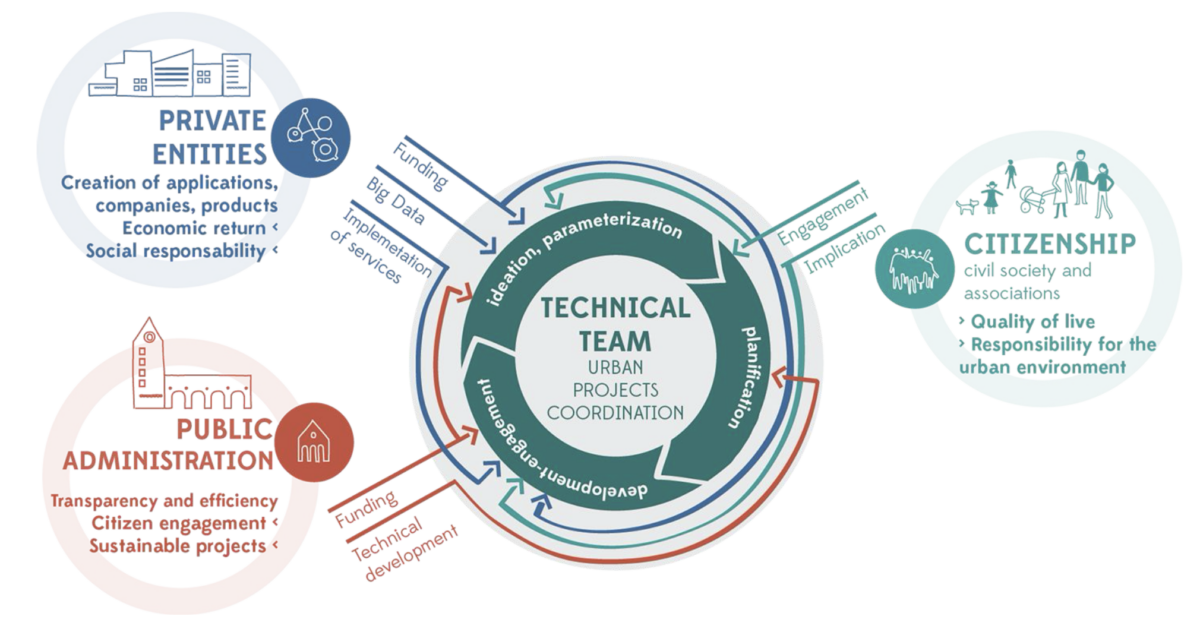
Territorial Implementation – Successful projects were shown to depend on alignment with territorial visions. Participants examined how to navigate complex stakeholder environments, foster collaboration, and utilize land transformation mechanisms such as acquisition, rezoning, and redevelopment.
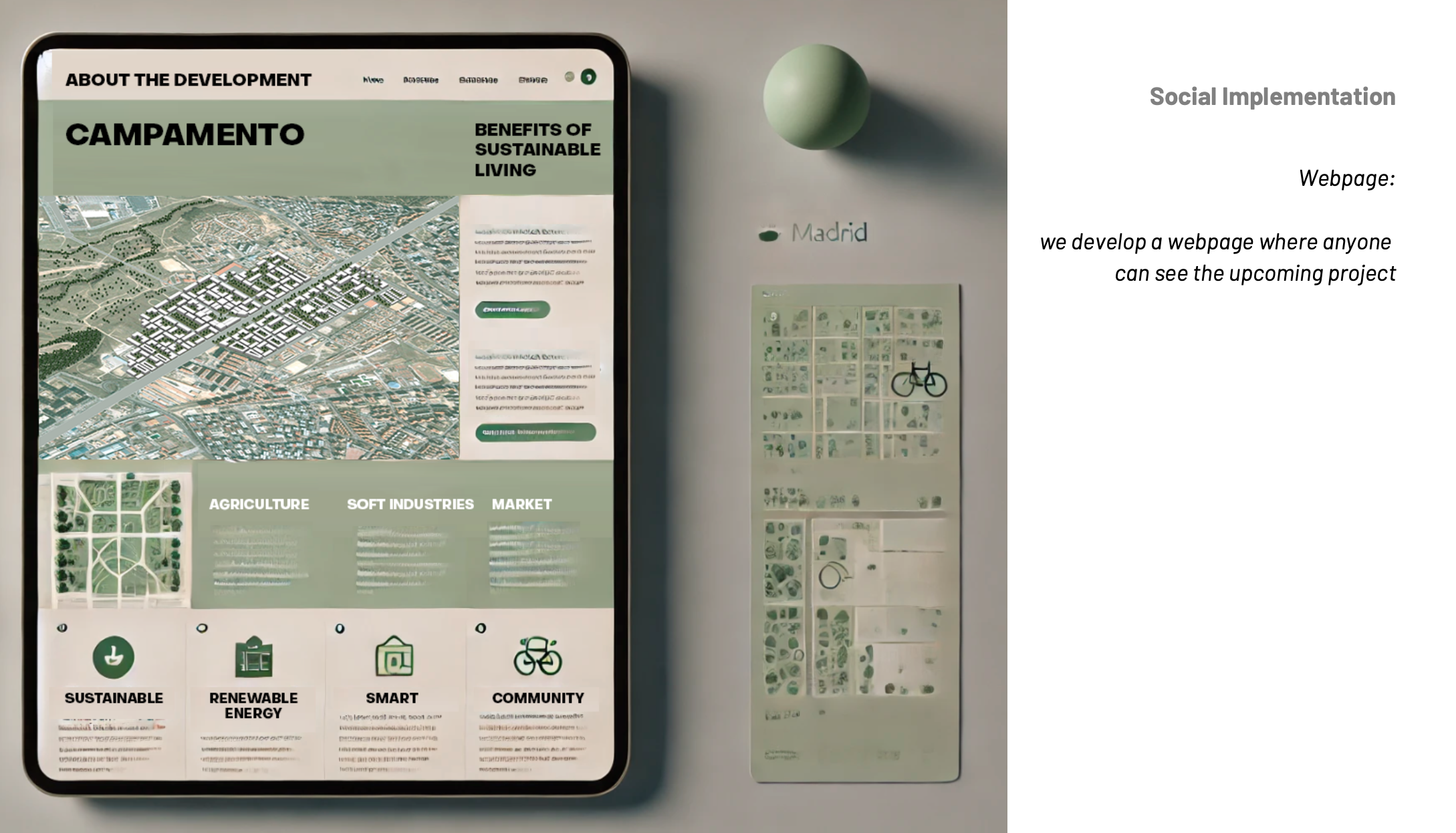
Social Implementation – The course emphasized the importance of community engagement in ensuring projects met societal needs, enhanced cohesion, and garnered broader acceptance. Students explored how involving local communities in decision-making led to developments that aligned with residents’ values and preferences.
Technical Implementation – Realizing large-scale projects required addressing technical feasibility. Participants tackled challenges like infrastructure connectivity, access, noise mitigation, and phased development, while also navigating licensing and regulatory requirements.
Real Estate Implementation – Economic feasibility was presented as a cornerstone of project success. Participants analyzed market demand, real estate absorption rates, and investment attraction strategies to secure necessary funding and investor support.
Practical Outcomes – By the end of the course, students had gained critical skills and perspectives to navigate the complexities of urban development. They emerged with a deeper understanding of stakeholder needs, public-private sector alignment, real estate drivers, and community engagement strategies.
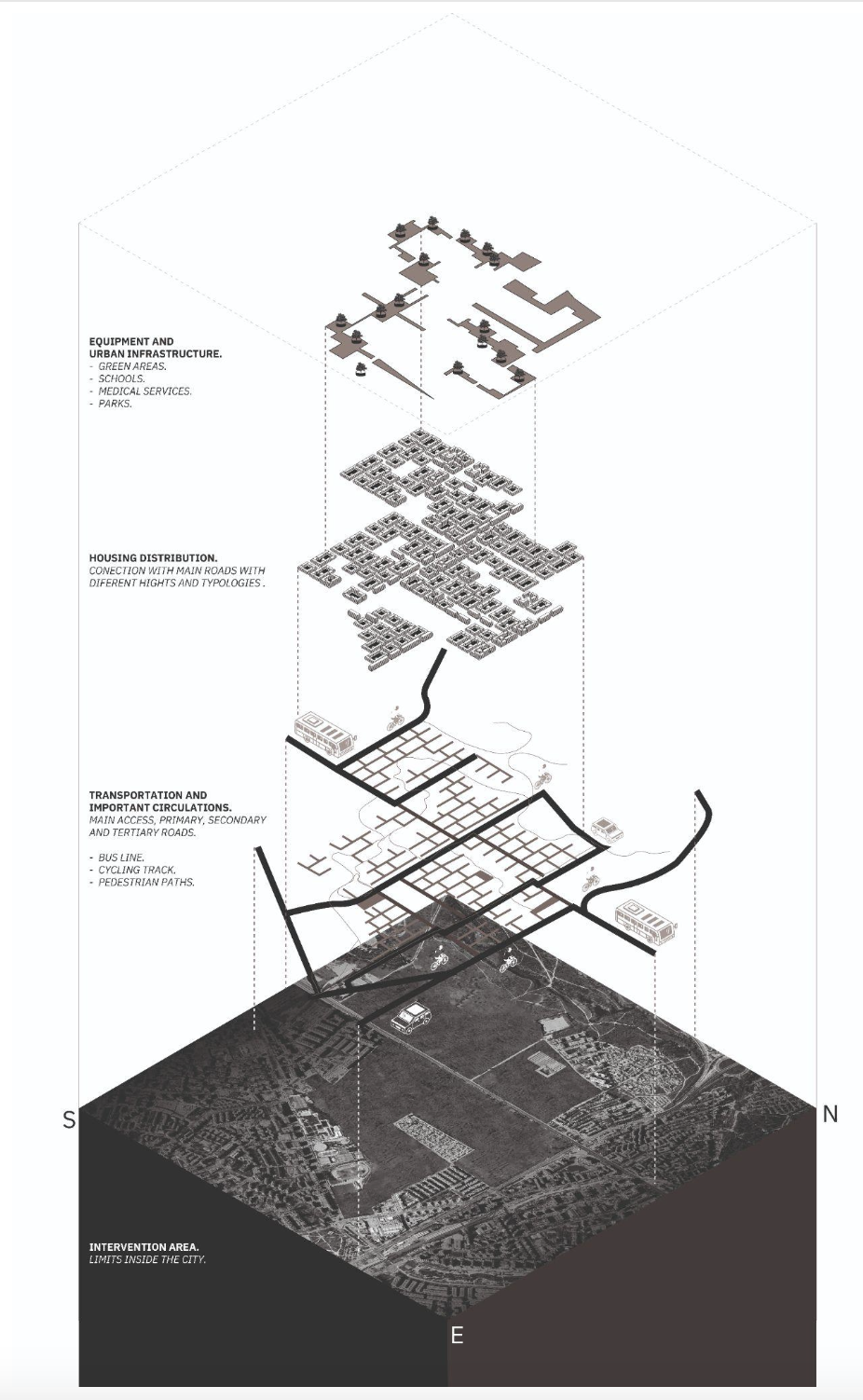
Layers by Students Ferré, De Luca, Maldonado, Mandi, Ucha
As a final project, students participated in a simulated public hearing. They presented their urban design projects to a panel of students that represented the different stakeholders, including investors, government officials, environmental advocates, and community representatives. This exercise tested their ability to address diverse concerns and demonstrate their projects’ feasibility, economic viability, and social benefits.
Students were required to respond to questions and feedback from the panel, demonstrating their readiness to address technical, social, and economic challenges. Success depended on their ability to build consensus and secure wide-ranging support for their proposals.

Presentation by students D Christensen, Cruz, Gaxiola, Yasser
This innovative course left participants better equipped to implement transformative urban projects, paving the way for sustainable and inclusive development in the future.