


2025 Specialty – Housing Practice / Fernando Altozano
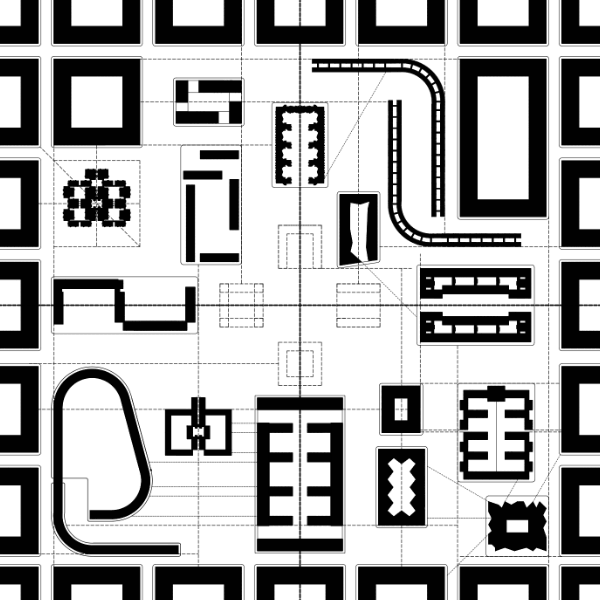
Cover image by MCH student Mariana Cantú.
Specialty Leader: Fernando Altozano
The course was designed to strengthen students’ ability to communicate effectively in the field of housing design by introducing them to a specialized architectural vocabulary. Throughout the program, participants became familiar with a wide range of significant collective housing projects, allowing them to understand the specific design principles and regulatory frameworks that shaped this typology. A key objective was to help students recognize the main factors that influenced spatial form and configuration in housing, and to analyze the fundamental components that defined collective residential architecture.
In addition, students explored how interior spaces were fragmented and organized at various scales, gaining a deeper understanding of spatial composition. The course also addressed the role of housing buildings as integral elements within complex urban systems, encouraging students to view architecture within its broader urban context. Another important goal was to establish a structured network of references that aided in the critical analysis and comparison of housing projects. Finally, students were encouraged to identify and develop new research topics, contributing original insights to the evolving discourse on urban housing.

Project analysis by MCH students Begino, Kordjanbaklou, Peppa.
Methodology
Students worked collaboratively in groups to analyze a selection of housing case studies, focusing on key aspects such as natural light, accessibility, structural systems, and infrastructure. Each group produced standardized templates combining both visual and textual data to form a comprehensive sample for comparison. Building on this collective research, each student then developed an individual research article centered on a complex topic assigned by the instructor and related to the shared dataset. These individual papers included a clearly stated hypothesis or central premise, a literature review and background research, an explanation of the topic’s contemporary relevance, a detailed methodology outlining the approach to data collection and analysis, and a final section presenting the findings and conclusions.

Project analysis by MCH student Stergios Kaloudis
Resources and innovation
The instructor assigned an initial set of 40 case studies (two per student, to be shared). Each student also proposed at least one additional case, pending instructor approval. Innovative approaches to housing design required a critical reassessment of past experiments through a contemporary lens. New concepts evolved from, or reevaluated, previous architectural developments. All personal perspectives were well-supported and aligned with group criteria.
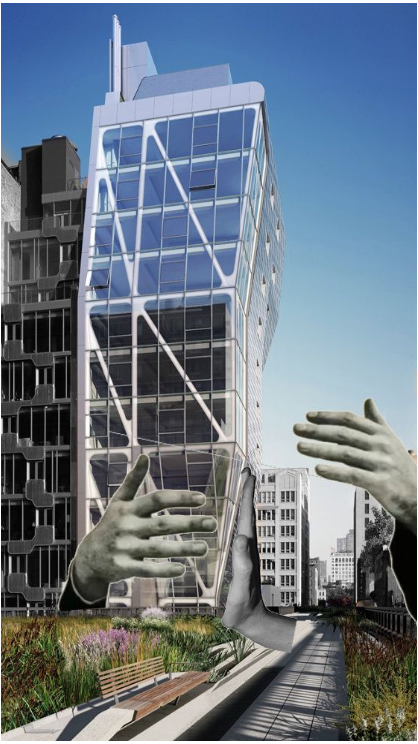

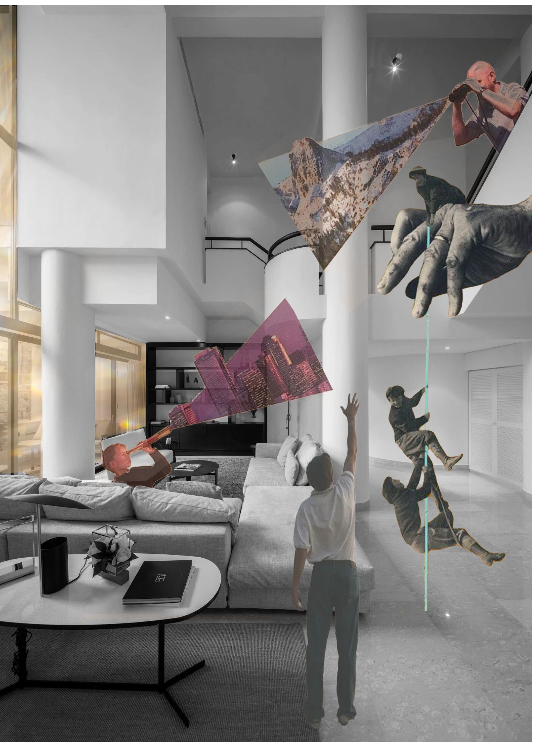
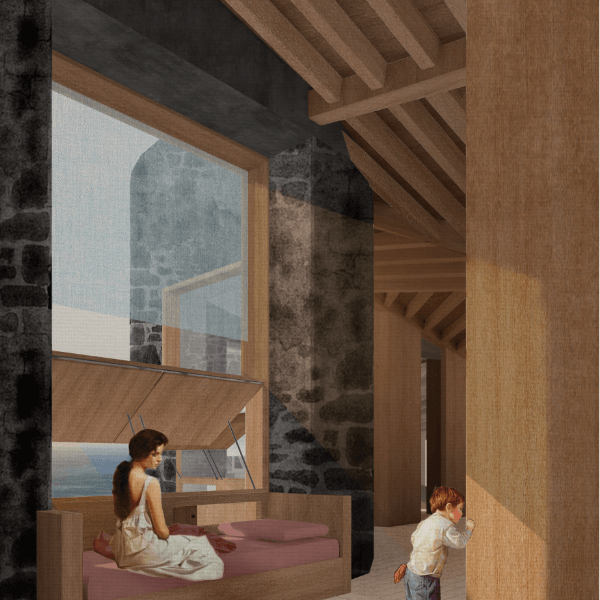
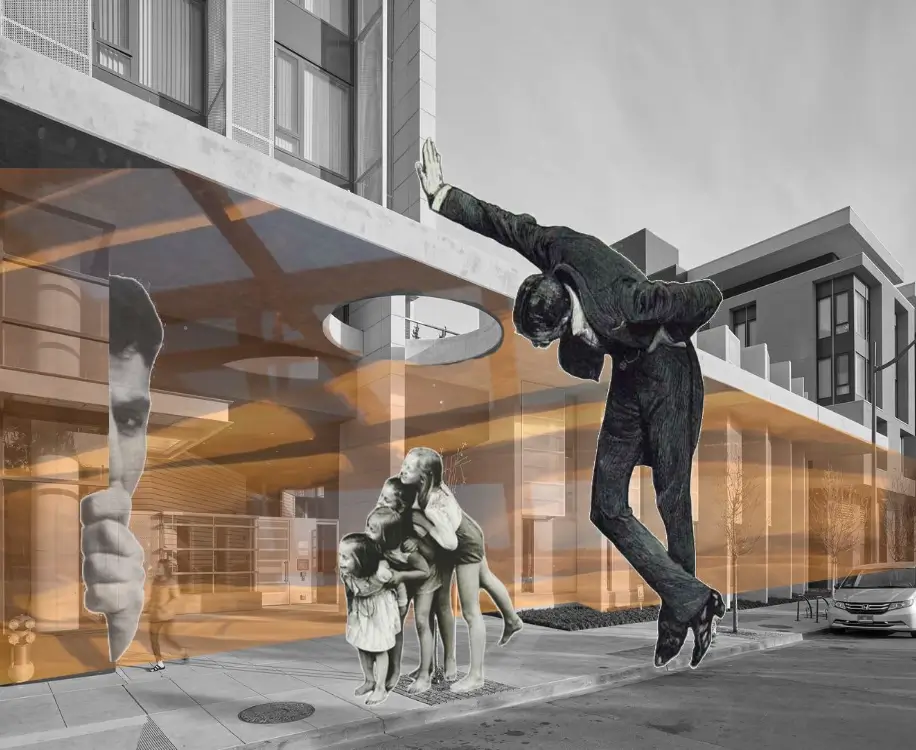
Image by MCH student Mariana Cantú.
Evaluation
Final grades were based on the average of group and individual work. Assessment also considered attendance, active participation, contribution to the group effort, and the depth and relevance of the individual research. For the final review, Enrique Arenas (Arenas, Basabe y Palacios) and Fernando Altozano served as evaluators.
About Fernando Altozano