


2025 Specialty – Construction and Technology / Ignacio Fernández Solla
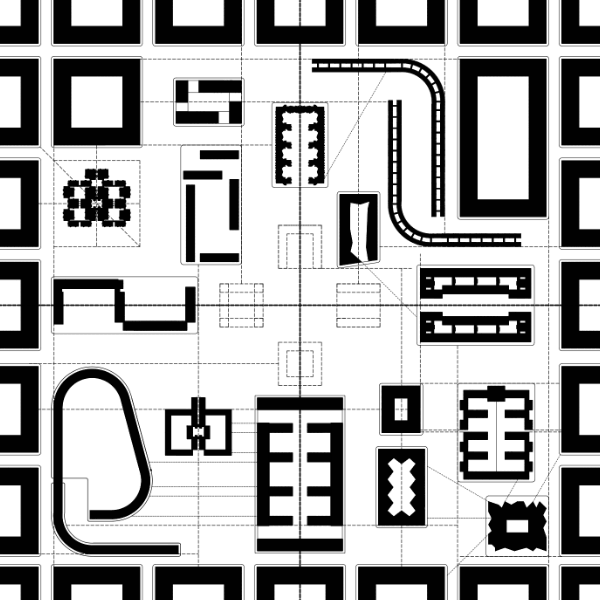
Cover image by students Begino, Fatourou-Sipsi, Hernández, Jamadar, kordjanbaklou
Specialty Leader – Ignacio Fernández Solla
Team – Archie Campbell / Diego García- Setién / David Castro
The specialty of construction and technology allows us to understand the building as an organism composed of interrelated systems. Advances in industrialization have facilitated the analysis and differentiated production of its components—envelope, services, technologies, structure, and materials—all integrated within a single process.
The proposed academic exercise consists of transposing an international architectural reference into a different geographical context and reinterpreting it. This involves analyzing how its construction systems must adapt to new environmental, climatic, social, and cultural conditions.
Architectural Envelopes
The building envelope is the physical-environmental interface, the plane of exchange between interior space and its surroundings. It can be understood as the “skin” of the building, responsible for secondary structural roles as well as thermal, daylight, and acoustic control, in addition to shaping the project’s formal expression. Historically, these functions have evolved. Today, envelopes are primarily conceived as non-loadbearing, lightweight, transparent or semi-transparent, prefabricated elements. They are capable of integrating both passive systems (insulation, thermal mass, natural ventilation) and active systems (mechanical ventilation, ventilated façades, double skins, photovoltaic technologies).
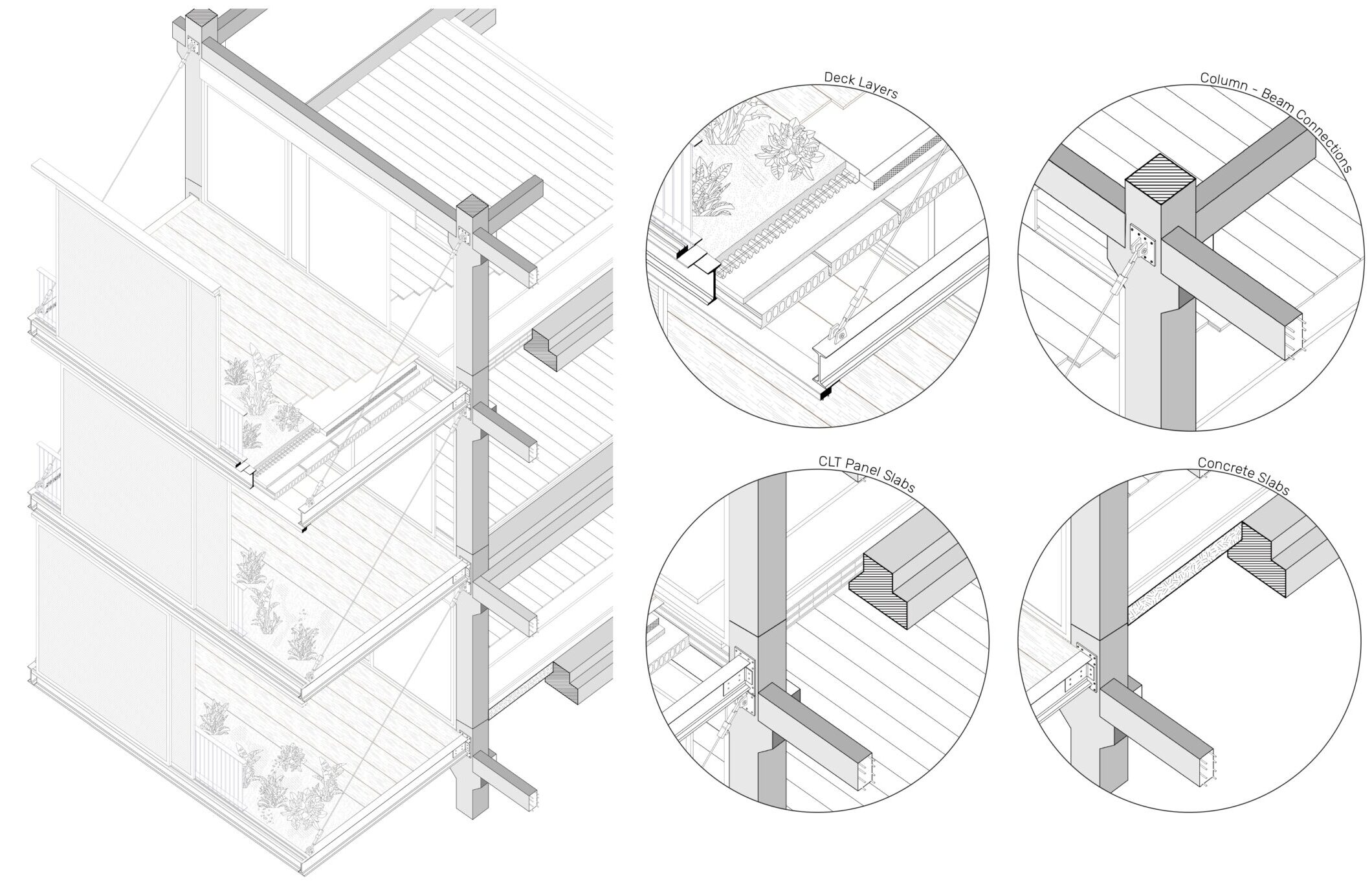
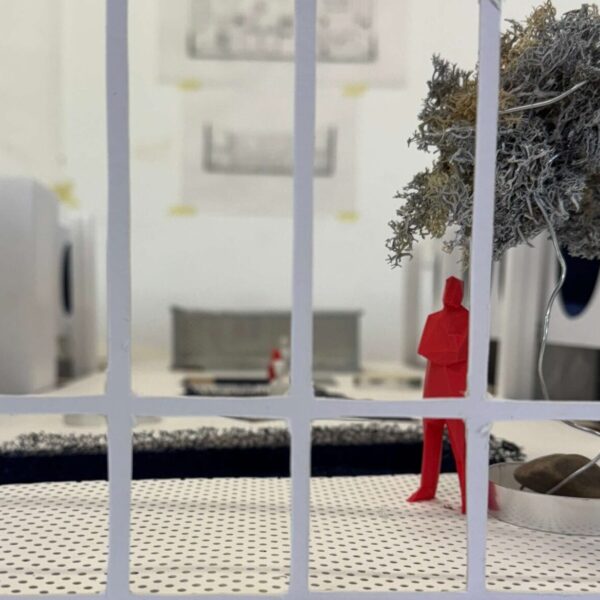
Facade details by students Azzez, Carassale, Chauhan, Gutierrez, Kaloudis
Industrialized Housing
The industrialization of housing is justified by the optimization of four key parameters: quality, time, sustainability, and safety. Standardized production of components reduces variability on site, increases precision, minimizes waste, and improves risk management. Construction elements tend to be larger, fewer in number, lighter in weight, and technically more sophisticated. Within this framework, the concept of knolling becomes central, promoting the classification, organization, and systematization of parts to streamline assembly, maintenance, and eventual disassembly.
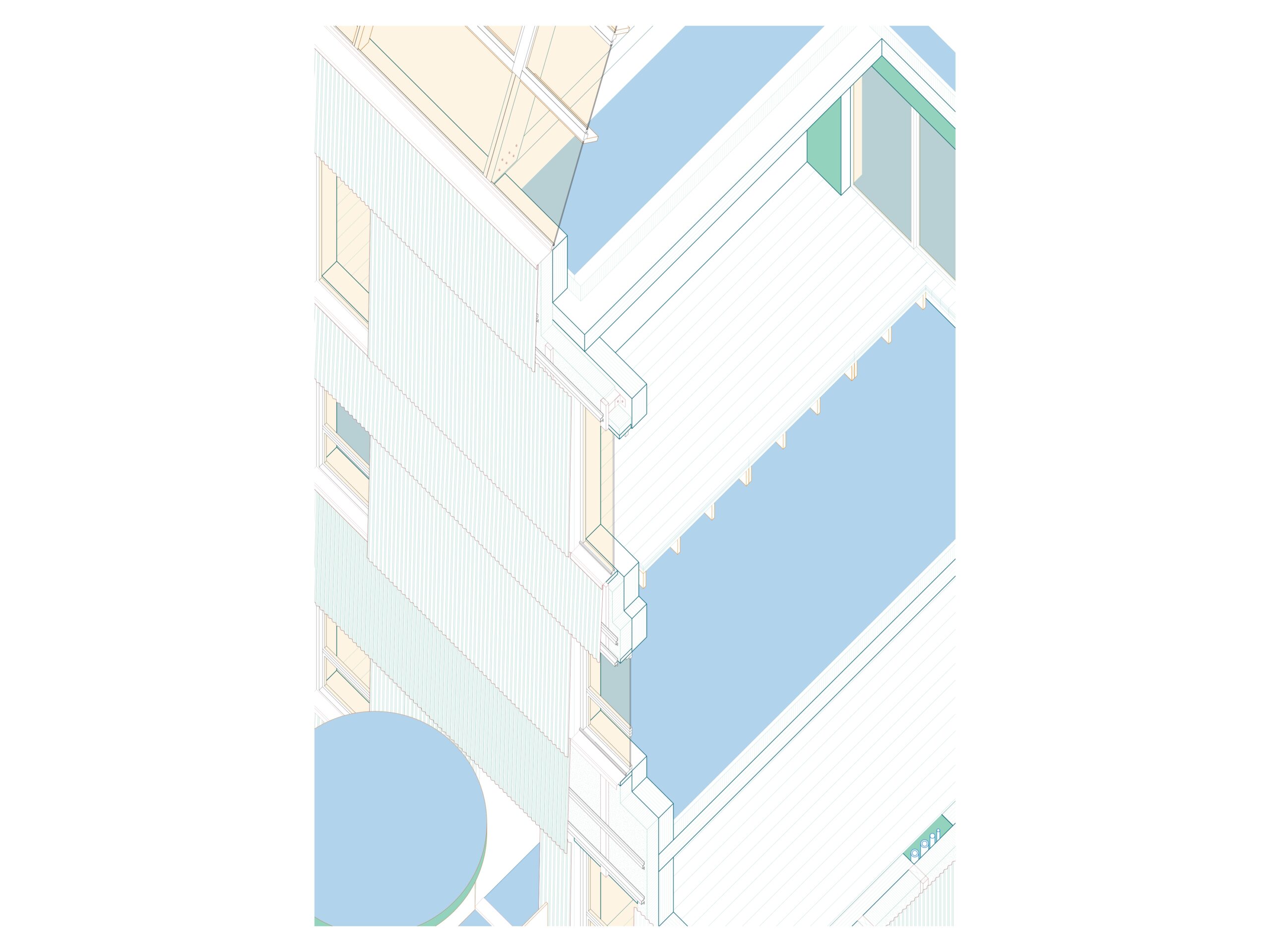
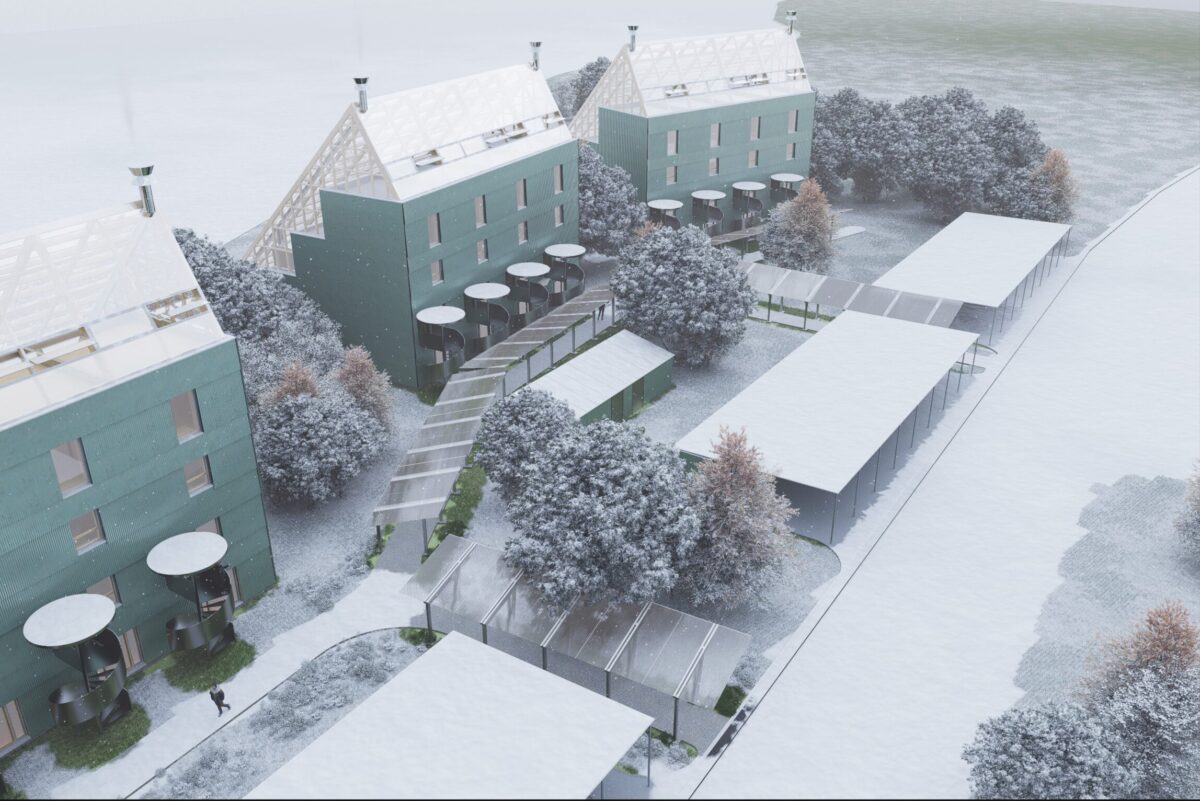
Industrialisation process by students Begino, Fatourou-Sipsi, Hernández, Jamdar, Kordjanbaklou
Building Services and Technologies
The building services system forms the core of habitability, linked to thermal, daylight, acoustic, and sanitary comfort. It also represents the main factor in the building’s energy equation and is therefore decisive for its sustainability. The contemporary challenge is to achieve comfort conditions with minimal energy demand, which calls for bioclimatic design strategies from the earliest stages of the project. In parallel, water resource management has gained relevance: reducing consumption, incorporating reuse systems, and harvesting rainwater are now part of a comprehensive approach to efficiency and water resilience.
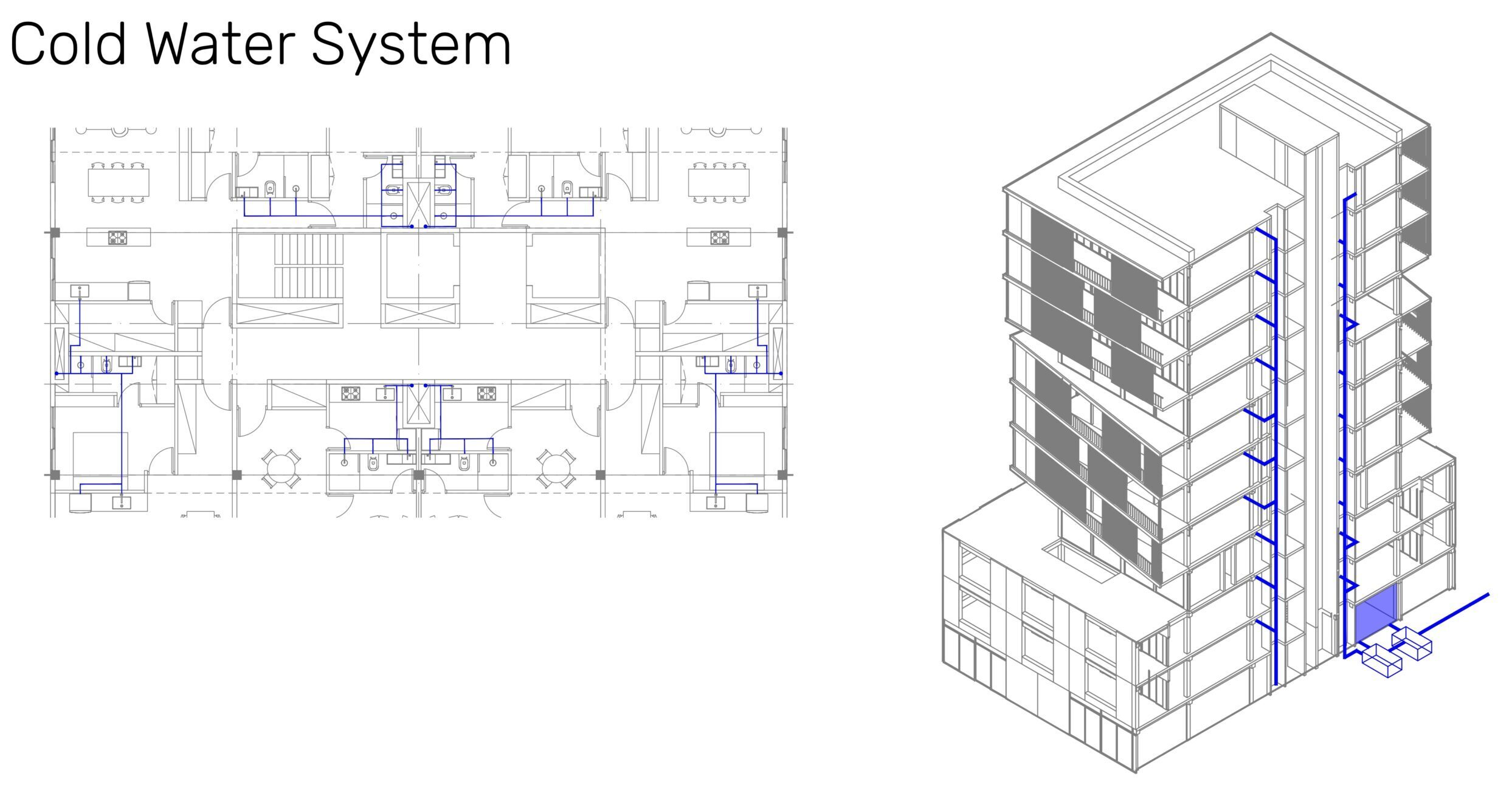
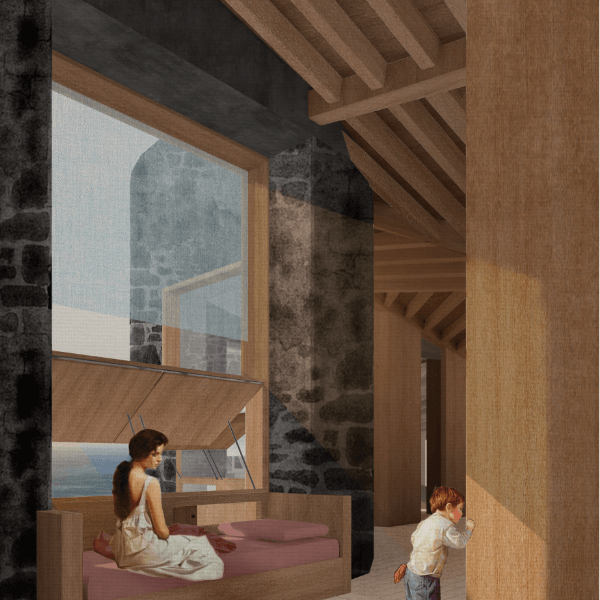
Systems by studnets Begino, Fatourou-Sipsi, Hernández, Jamdar, Kordjanbaklou
Structures, Materials, and Techniques
A systematic review of structural typologies and their construction techniques is presented, with particular emphasis on those applied to collective housing. Reinforced concrete and steel remain the most widespread systems due to their strength and compatibility with industrialized processes. At the same time, natural-based materials such as laminated timber and bamboo are re-emerging, valued both for their sustainability and for reducing carbon footprints. The case studies examined highlight the growing importance of hybrid, prefabricated, and industrialized structures as a response to contemporary demands for energy efficiency, circular economy, and environmental sustainability in architecture.
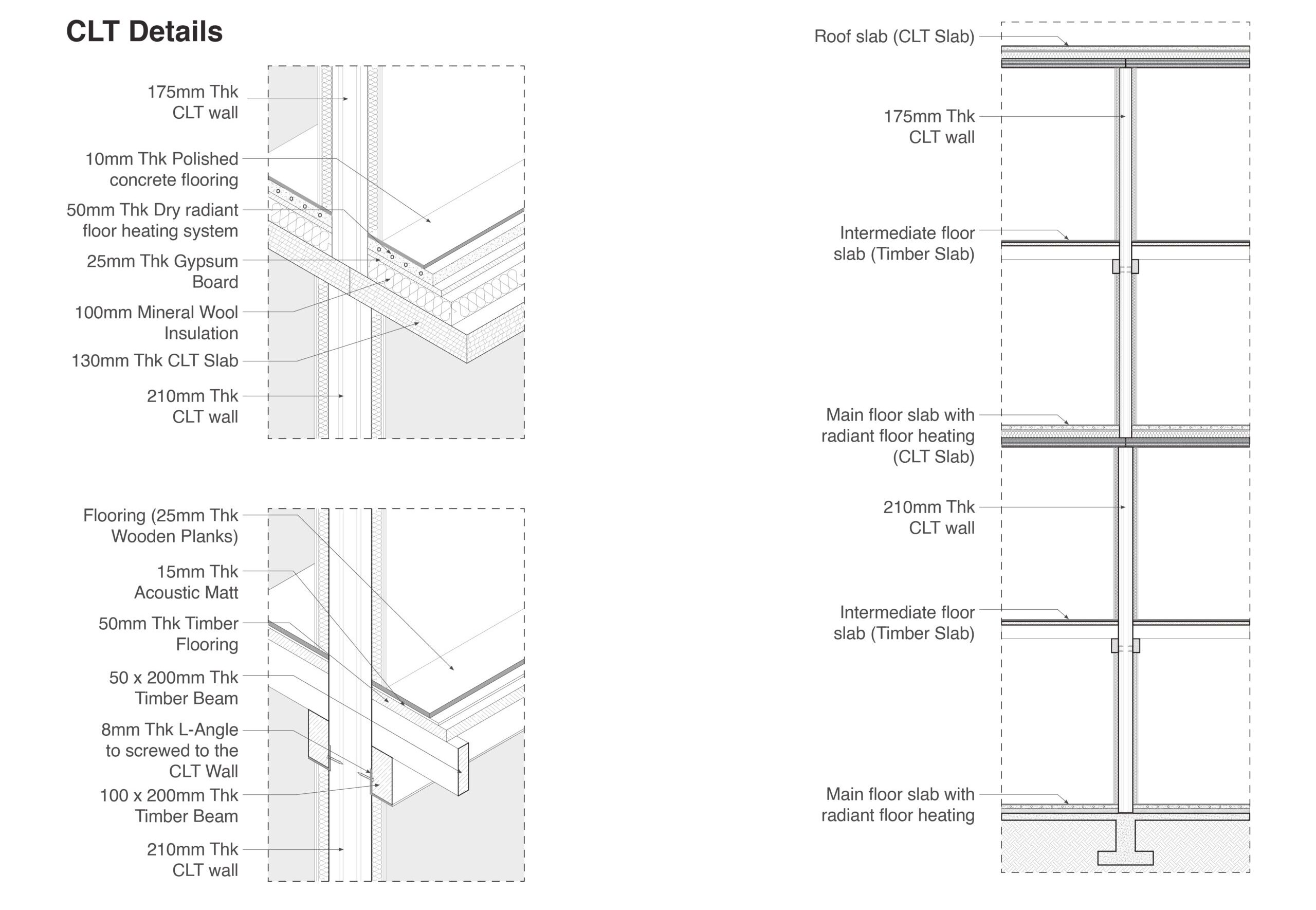
Construction detail by students Begino, Fatourou-Sipsi, Hernández, Jamdar, Kordjanbaklou
About Ignacio Fernández Solla
About Archie Campbell
About Diego García- Setién
About David Castro
Author: Camilo Meneses. MCH Manager